Traffic control permits
A traffic control permit is required whenever work occurs in or affects the public right-of-way, including:
- In the park strip
- On the property side of the sidewalk
- When staging vehicles or equipment for more than 48 hours (SLC Code 12.56.520)
- When working in any parking area, shoulder, travel lane, bike lane, alley, or pedestrian path
Anything placed in the public right-of-way that does not have rubber tires requires a traffic control permit.
Salt Lake City requires developers and contractors to submit a Construction Traffic Management Plan (CTMP) for projects that impact streets, sidewalks, or bike lanes as part of any permit application for work in the public right-of-way. Learn more about CTMP requirements.
Get started
- Download instructions for the traffic control permit application process.
- Apply for permits online using the Citizen Access Portal.
Additional permits
You may also need:
- Public Way Permit: Required with a traffic control permit. It identifies who is working and where, and helps inspectors check for damage and ensure proper procedures are followed.
- Parking Meter Permit: Required if the work affects any metered or restricted parking area. This permit is needed for any public parking spaces that will be made unavailable due to the work.
Traffic control standards
Salt Lake City Transportation follows the standards outlined in Part 6 of the 2009 MUTCD and the Salt Lake City Traffic Control Manual. These resources provide typical applications for temporary traffic control.
Construction traffic control manual
Construction traffic control manual
Traffic control manual (pages 25 to 70)
Work outside the shoulder (page 25)
Work on shoulder or parking lane (page 26)
Shoulder closed on divided roadway (page 27)
Work in center of road, maintaining two-way traffic, 35 mph or less (page 28)
Work in travel lane, maintaining two-way traffic, 35 mph or less (page 29)
Lane closure on a low-volume road, no flagger, traffic self-regulating, 25 mph or less (page 30)
Lane closure on a two-lane road, two flagger operation (page 32)
Temporary road closure not to exceed 15 minutes (page 33)
Center turn lane closed on a three-lane, two-way road (page 34)
Lane shift on a three-lane, two-way road (page 35)
Lane closure on a four-lane, undivided road (page 36)
Lane closure on divided roadway (page 37)
Double lane closure on divided roadway (page 38)
Center lane closure on divided, multi-lane roadway with speeds of 35 mph or less (page 39)
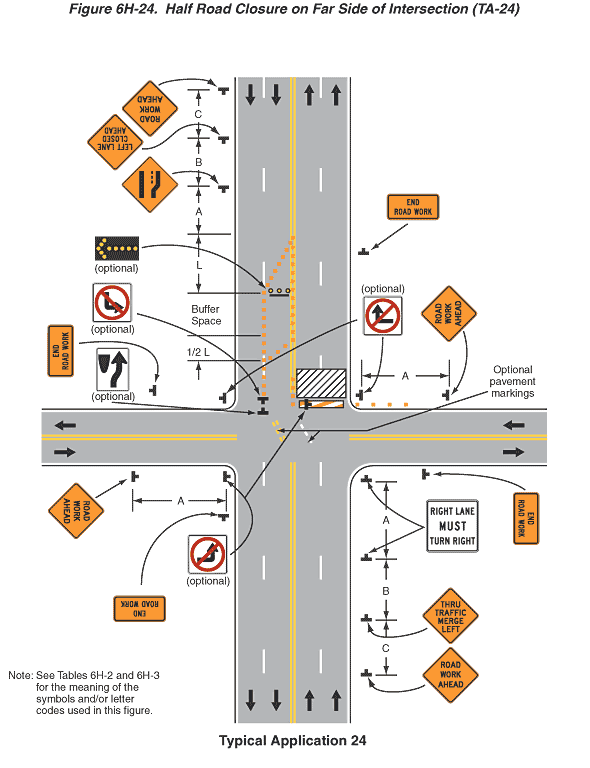
Half road closure on multi-lane roadway (page 40 and 41)
Lane closure in advance of an intersection and work area on the through road (page 42)
Lane closure in advance of an intersection and work area on the side road (page 43)
Lane closure beyond an intersection and work area on the through road (page 44)
Lane closure beyond an intersection and work area on the side road (page 45)
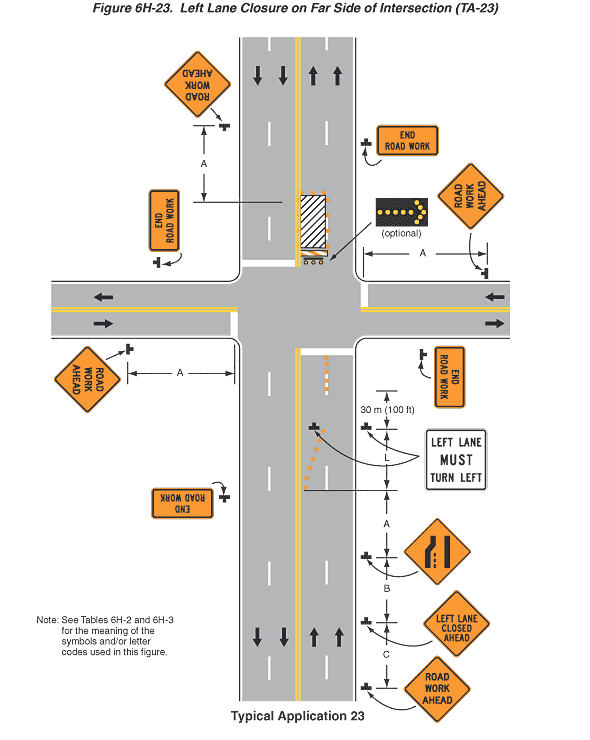
Left lane closure on far side of intersection with speeds of 35 mph or less (page 46)
Right lane closure on far side of intersection with speeds of 35 mph or less (page 47)
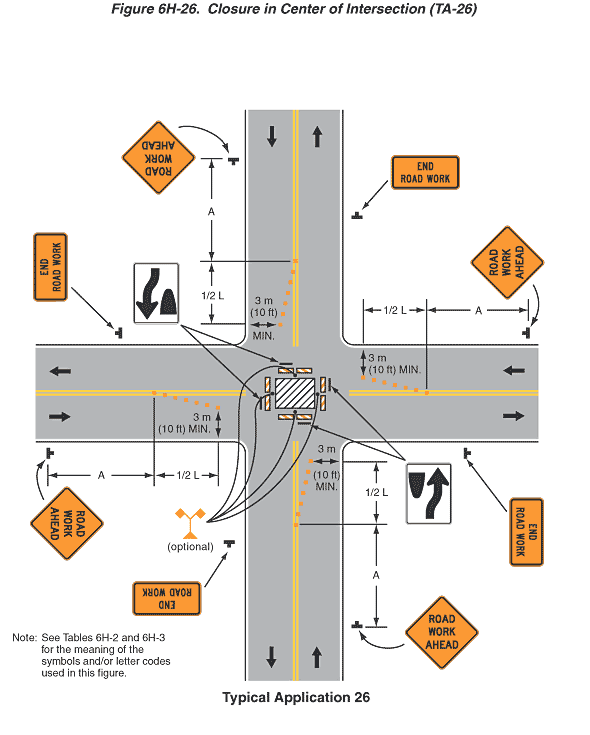
Closure in the center of an intersection (page 48)
Street closure with detour (page 50)
Street closure with turn lanes (page 51)
Pedestrian and worker safety (page 52)
Sidewalk closure pedestrian detour (page 53)
Sidewalk closure pedestrian walkway provided (page 54)
Sidewalk corner closure (page 55)
Canopied walkway at mid-block (page 57)
Canopied walkway at corner (page 58)
Typical canopied walkway detail (page 59)
Canopied walkway notes (page 60)
Intermittent and continuously moving mobile operations (page 62)
On the shoulder (page 63 and 64)
On a two-lane road (page 65 and 66)
2009 MUTCD
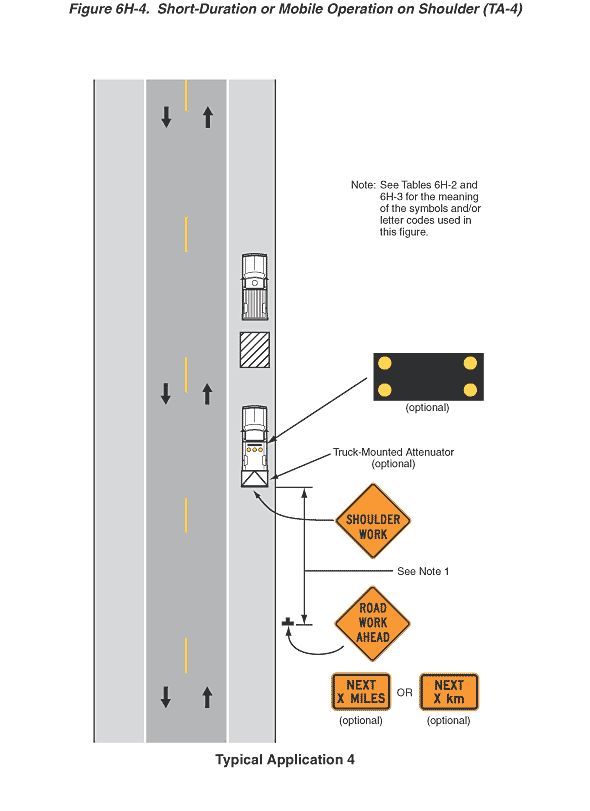
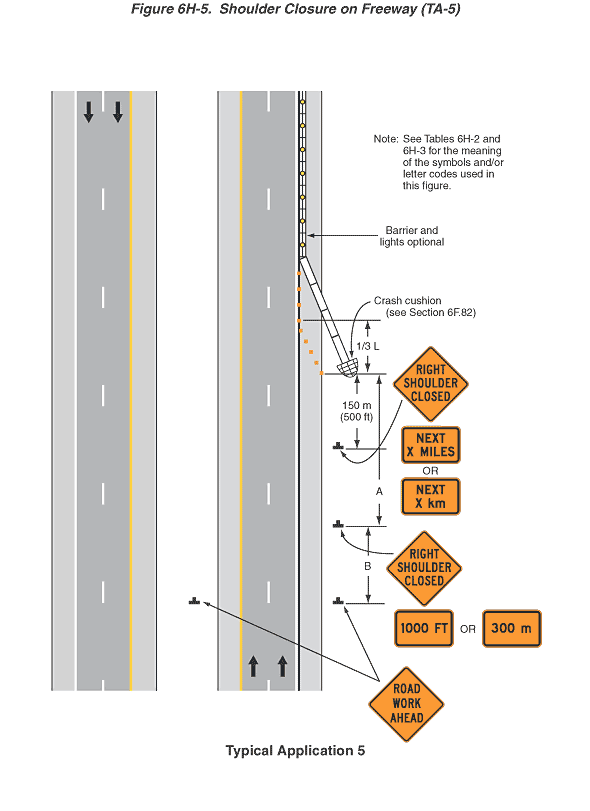
MUTCD 2009 typical application graphics
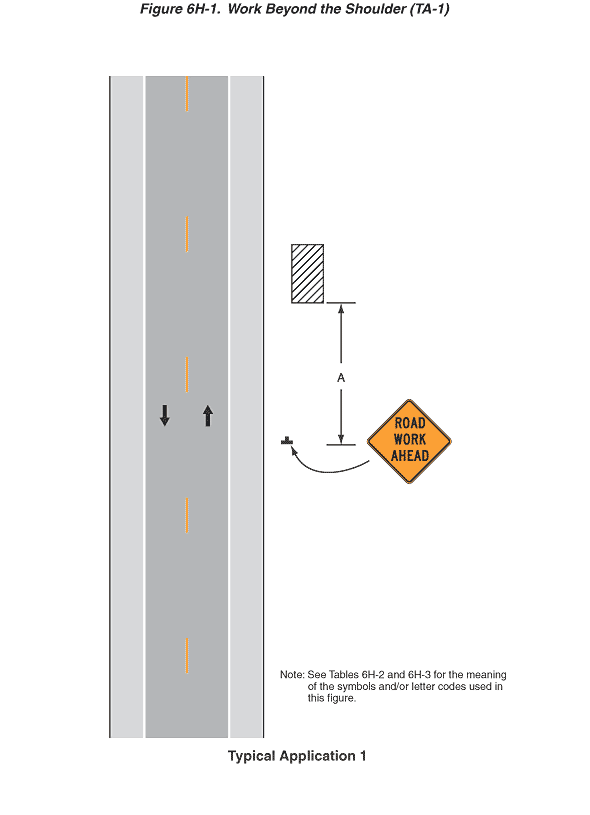
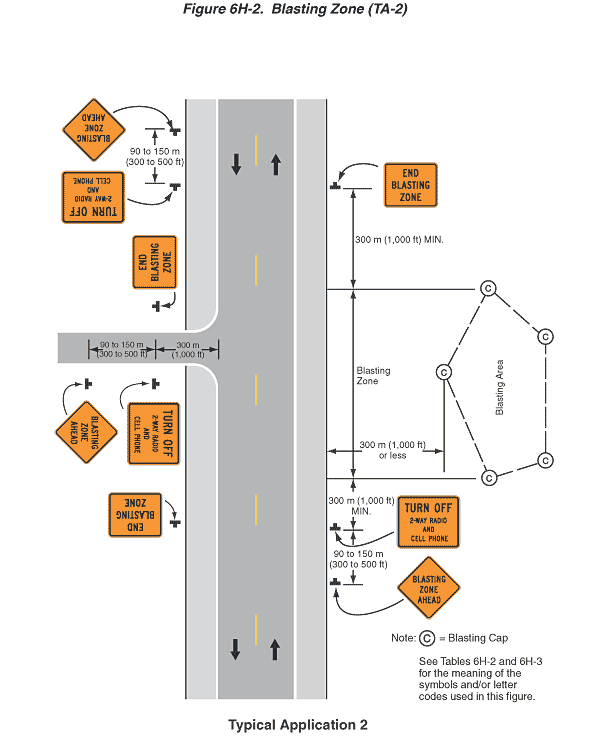
TA-3 Shoulder Work – Diff Locations

TA-4 Shoulder Work Mobile Short Term
TA-5 Shoulder Closure with Crash Cushion
TA-6 Shoulder Work with Minor Encroachment_Old Manual Pg 26
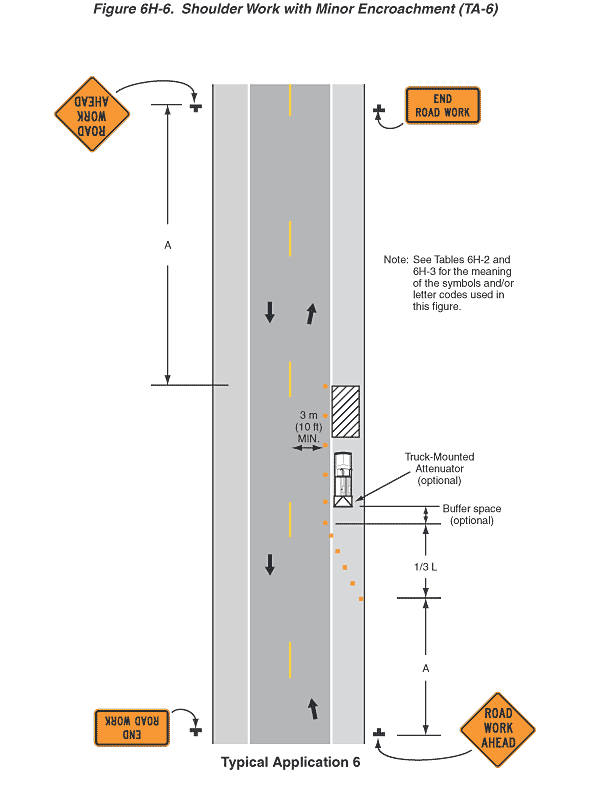
TA-7 Road Closure with Diversion
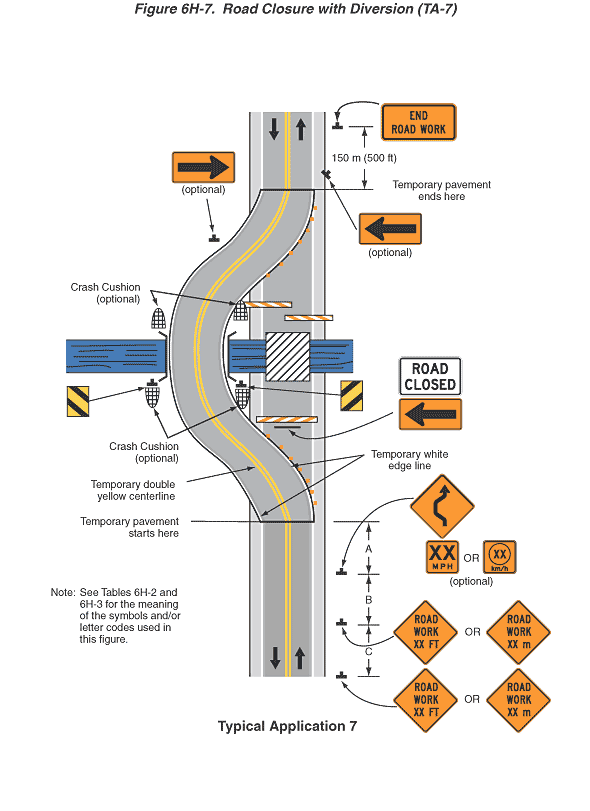
TA-8 Road Closure with Off-Site Detour
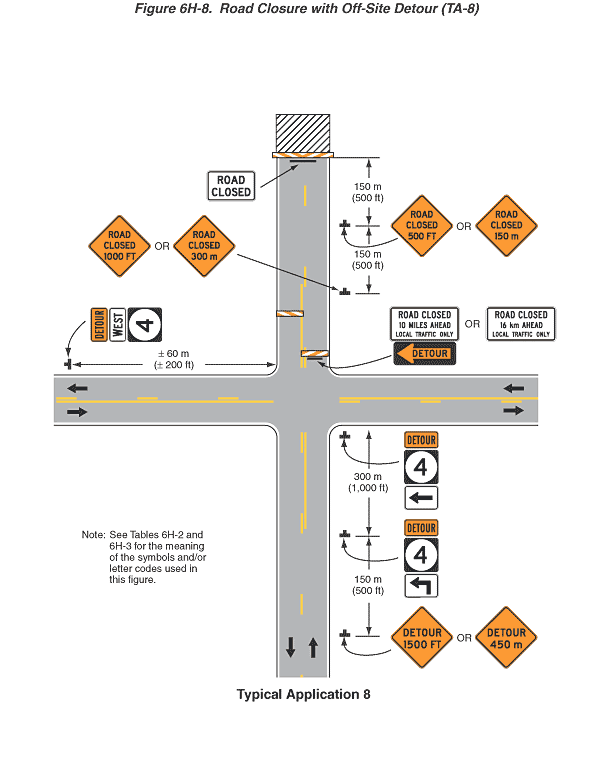
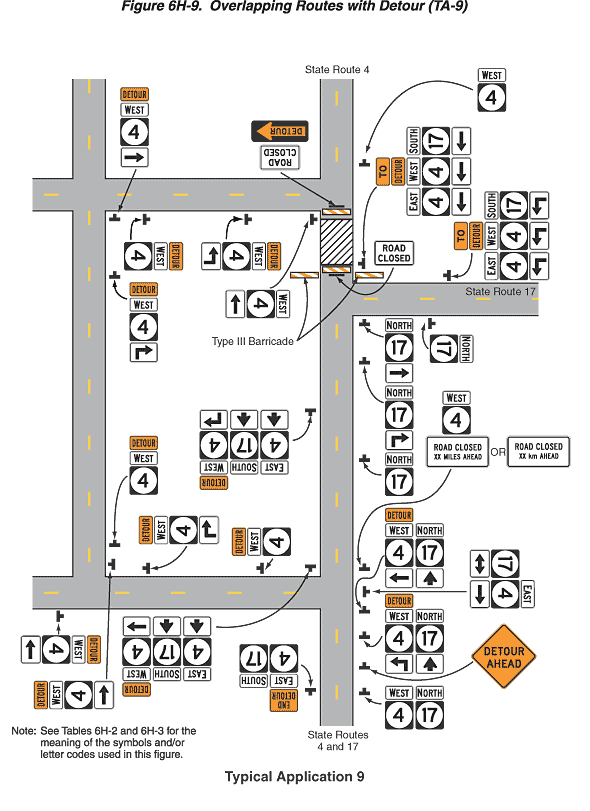
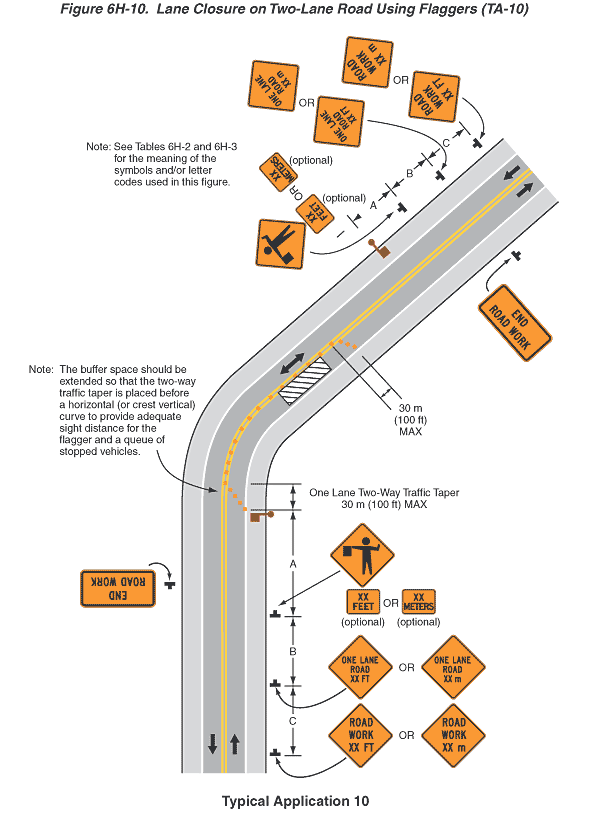
TA-10 Lane Closure on two-lane road – Using Flaggers
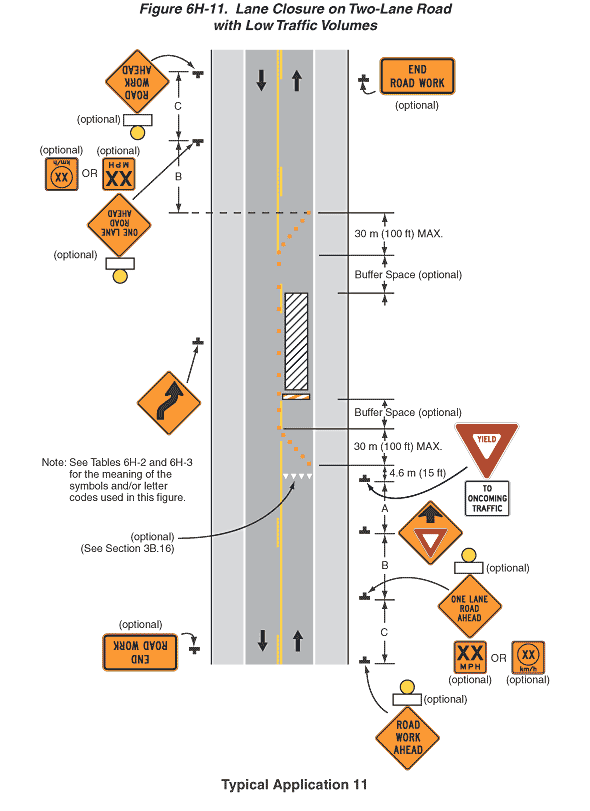
TA-11 Lane Closure on two-lane road – Low Volume
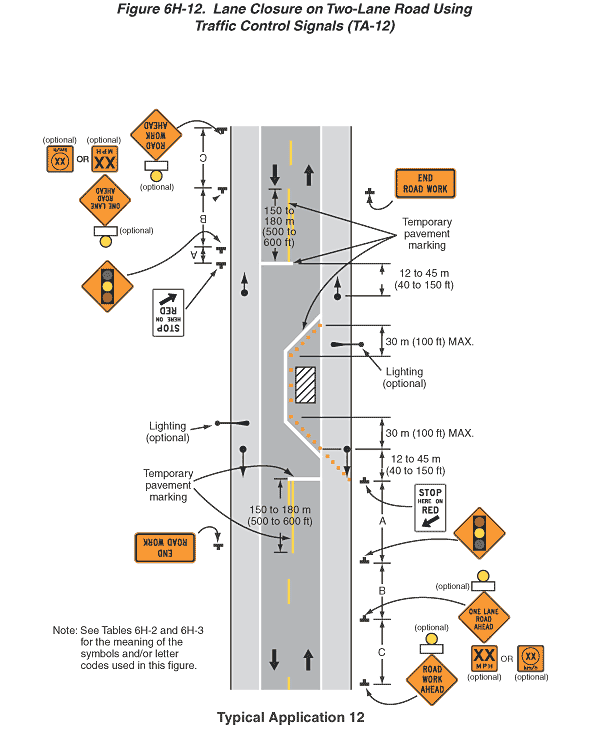
TA-12 Lane Closure – Two Lane – Using Traffic Signals
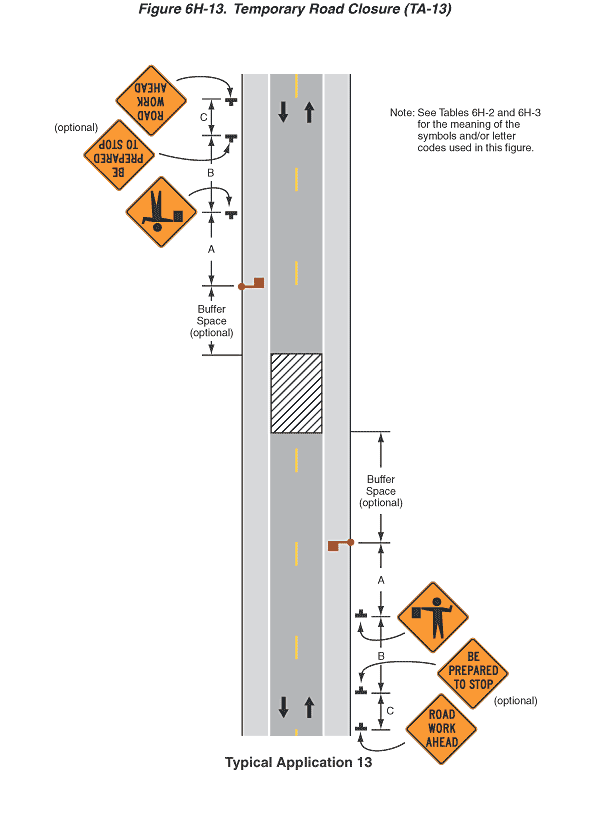
TA-13 Road Closure – Temporary – Flaggers
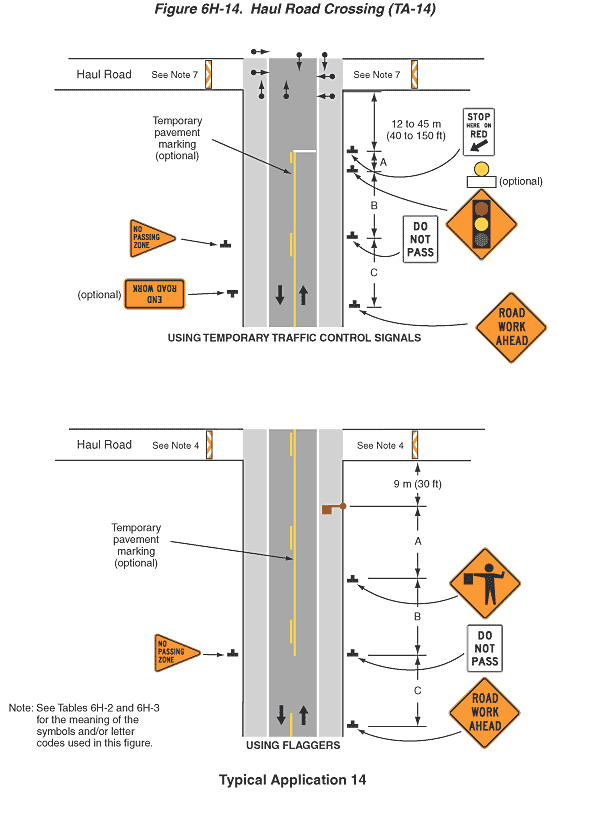
TA-15 Work in Center of Road – Low Volume
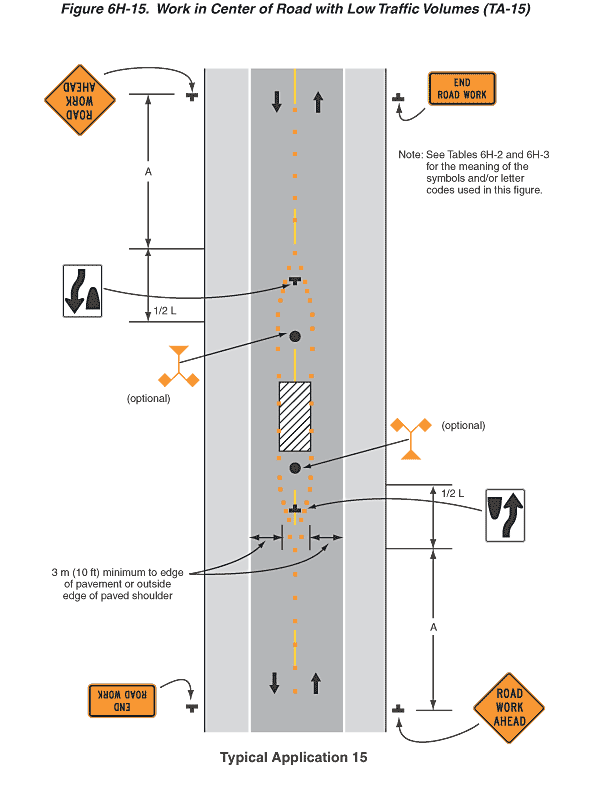
TA-16 Surveying Centerline of Road
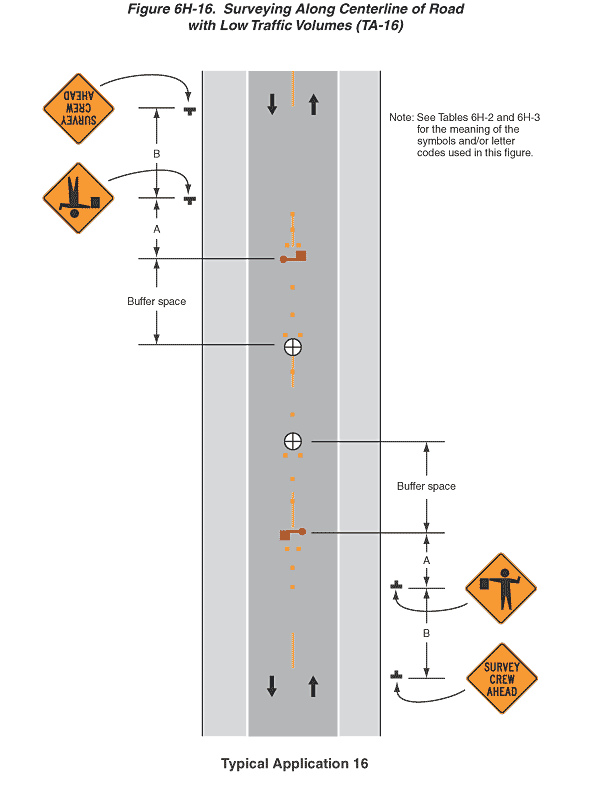
TA-17 Mobile Operations – Two Lane – Truck Mounted Attenuator
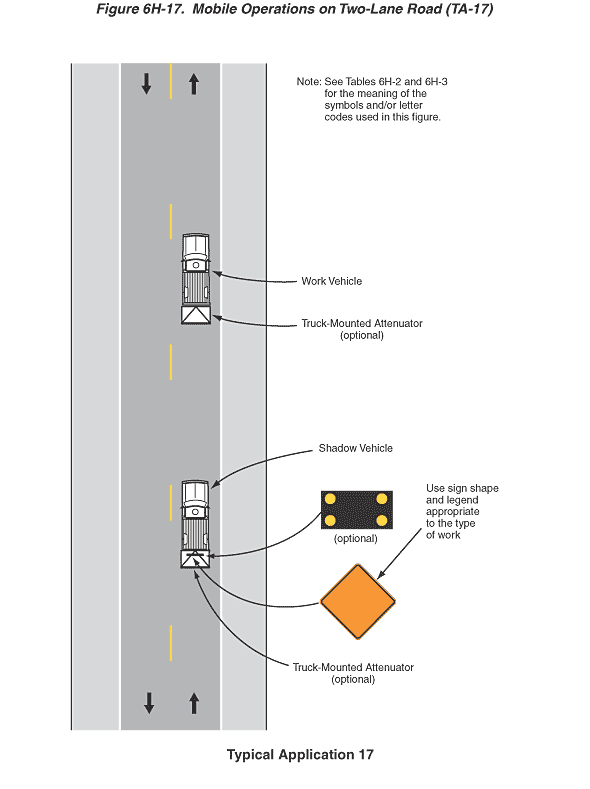
TA-18 Half Street Closure – Minor Street
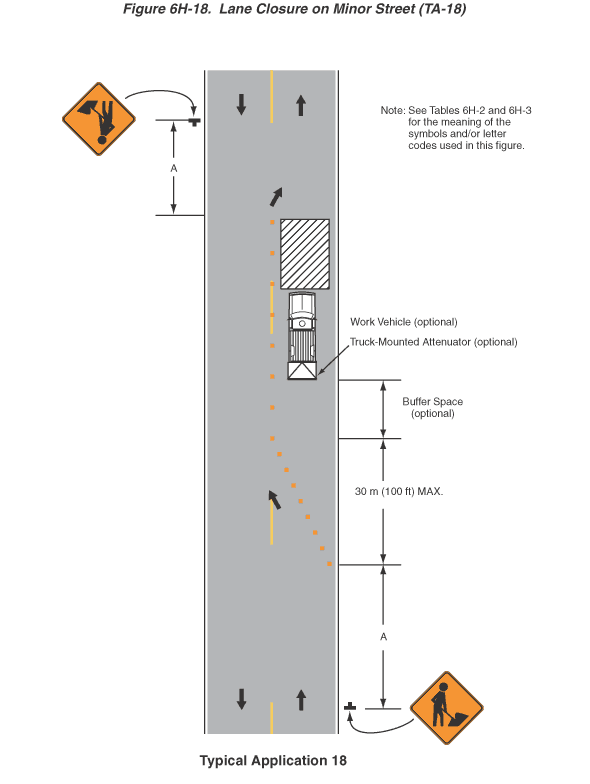
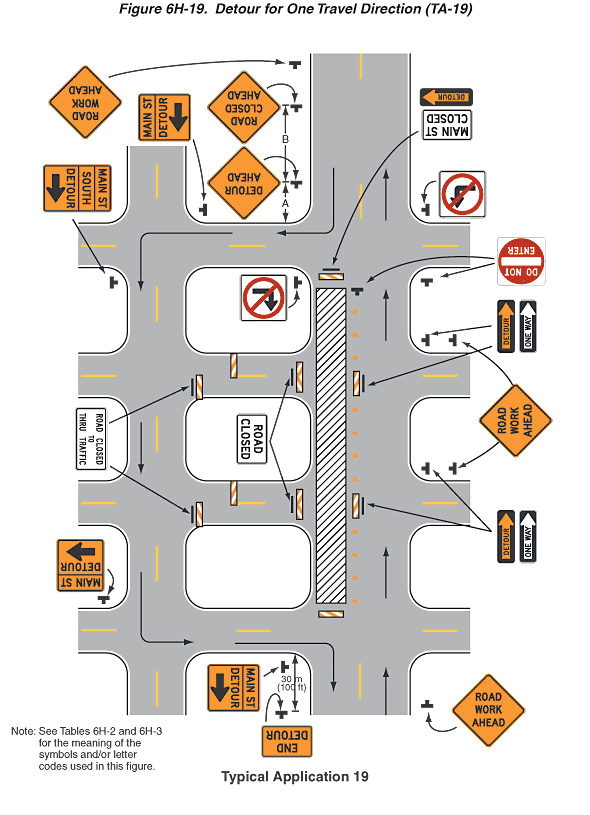
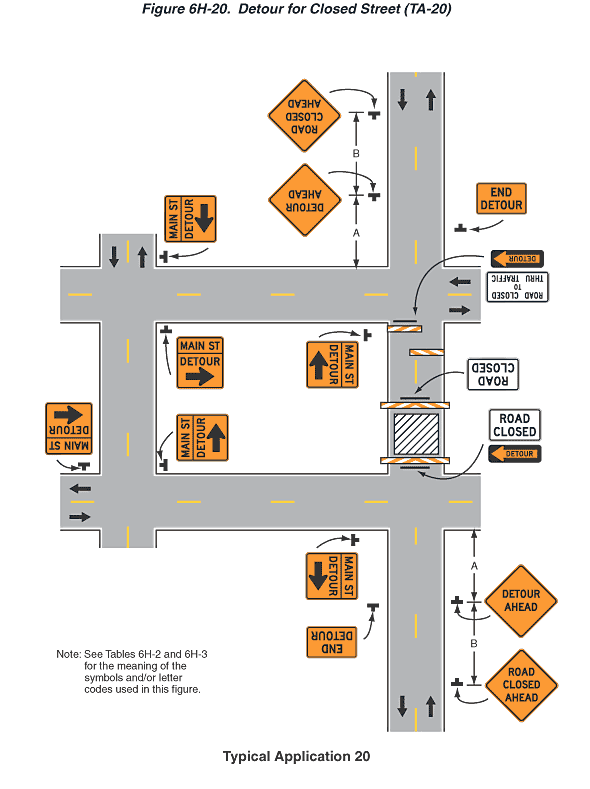
TA-21 Lane Closure – Near Side Intersection

TA-22 Right Lane Closure – Far Side Intersection
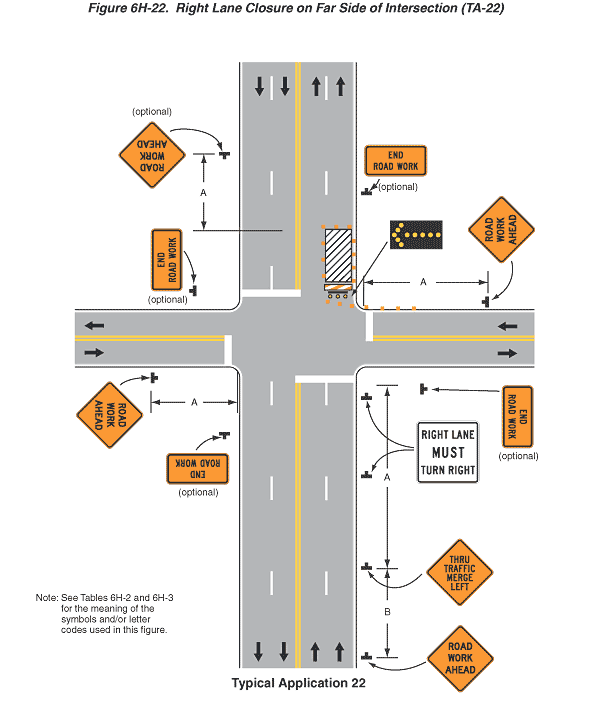
TA-23 Left Lane Closure – Far Side Intersection
TA-24 Half Street Closure – Far Side of Intersection
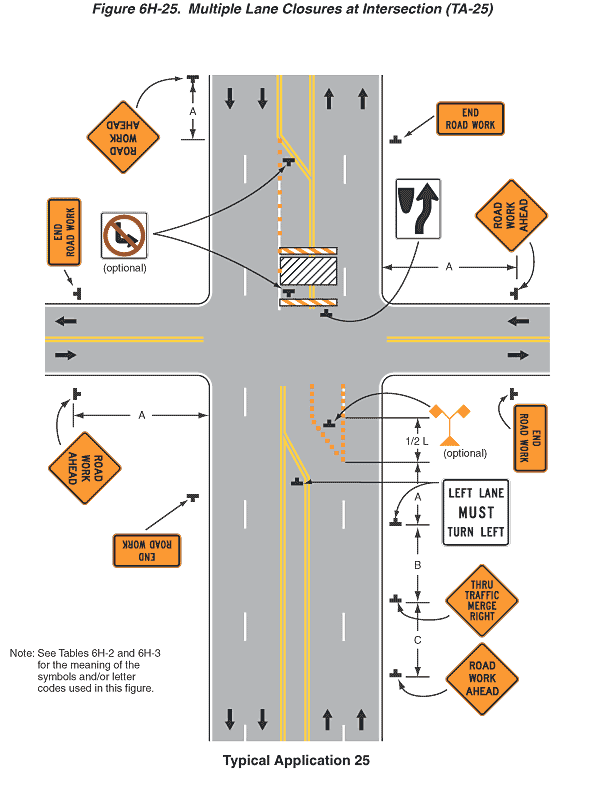
TA-25 Closure of Multiple lanes at Intersection
TA-26 Closure at Center of Intersection
TA-27 Closure at Corner of Intersection
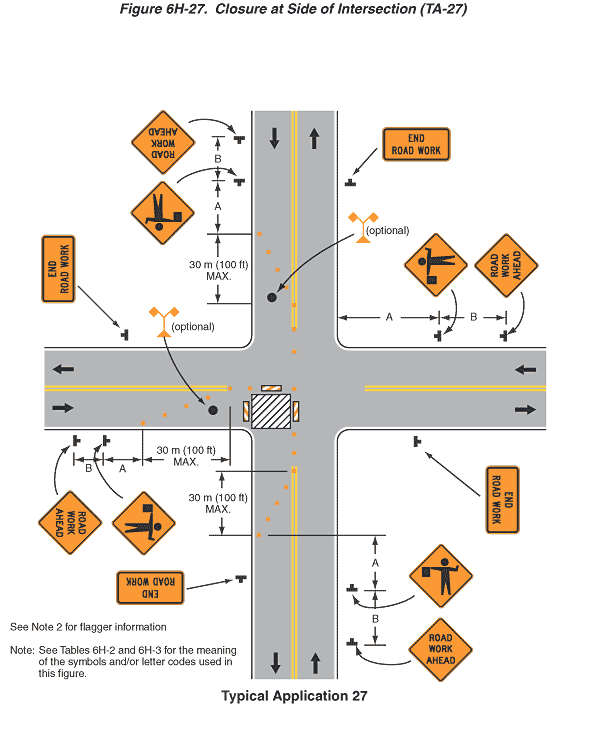
TA-28 Sidewalk Closure or Diversion
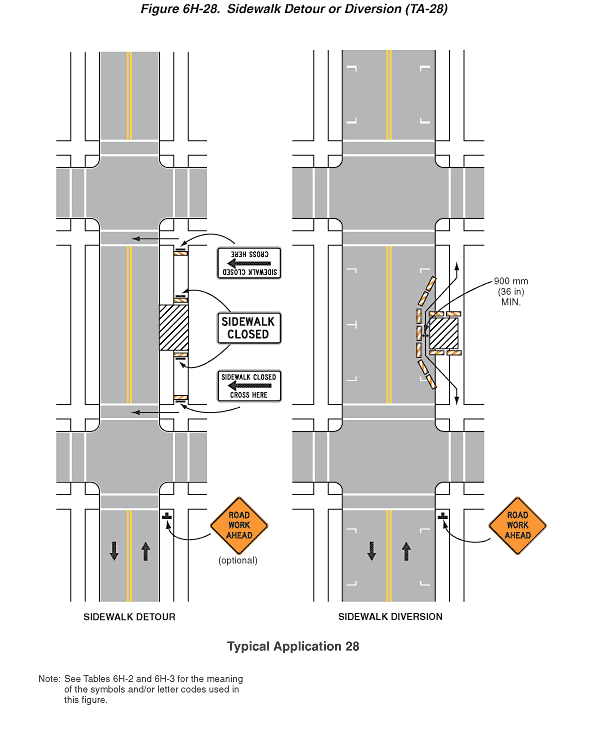
TA-29 Sidewalk Closures with Ped Detours
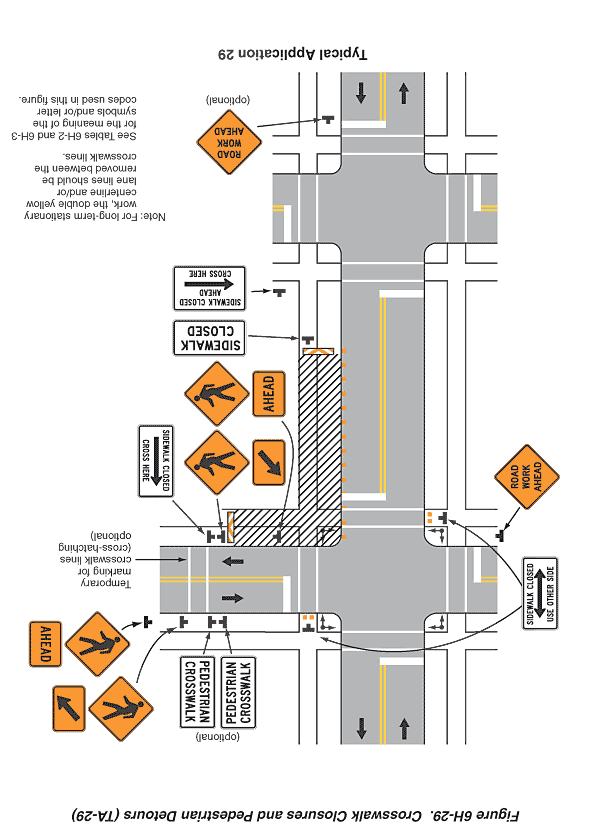
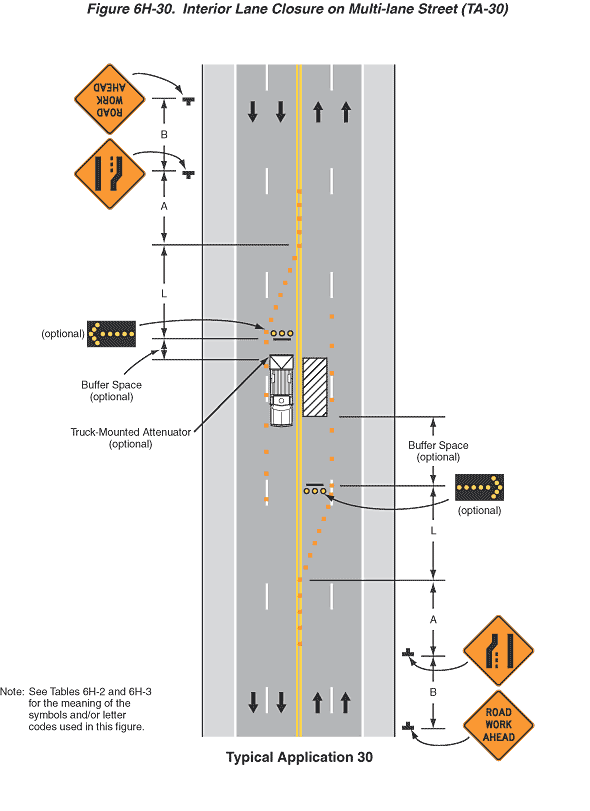
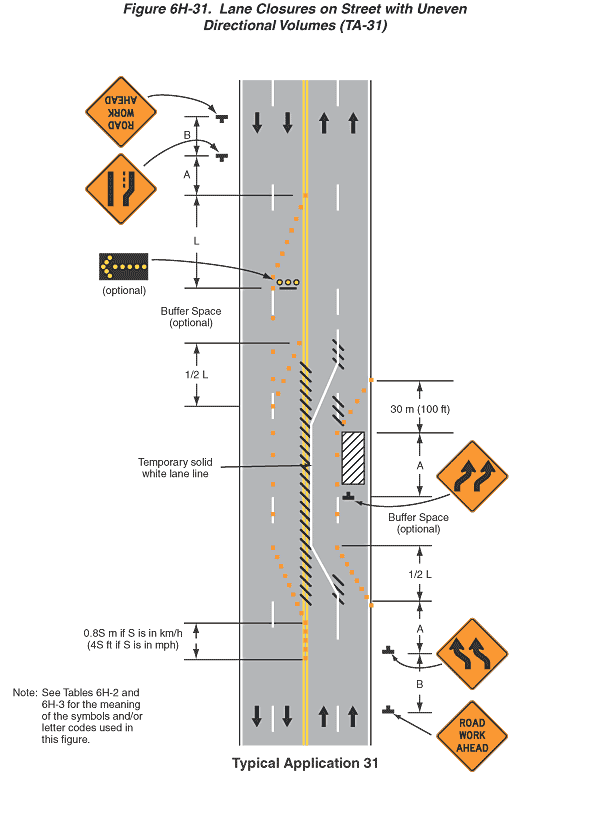
TA-31 Lane Closure Diverting across Double Yellow – Long Term Lane Restriping
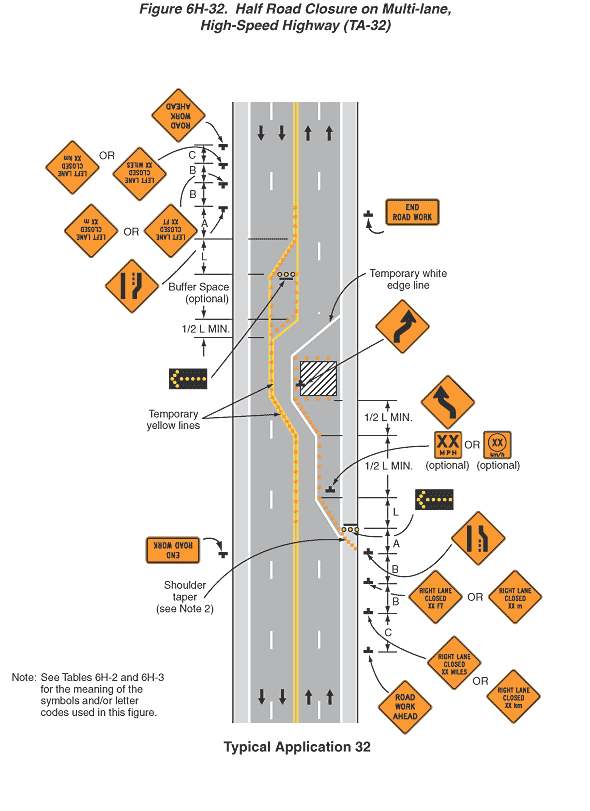
TA-32 Half Street Closure – Divert Across Double Yellow – One Lane Each Direction – High Speed
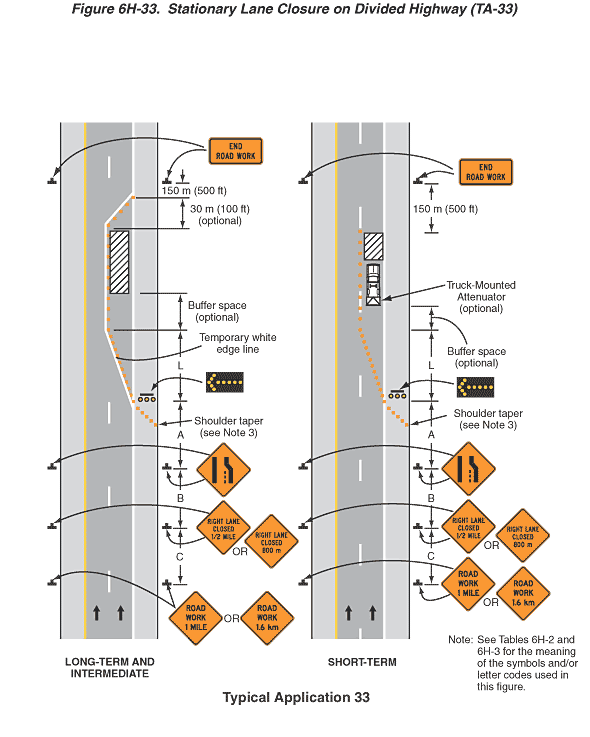
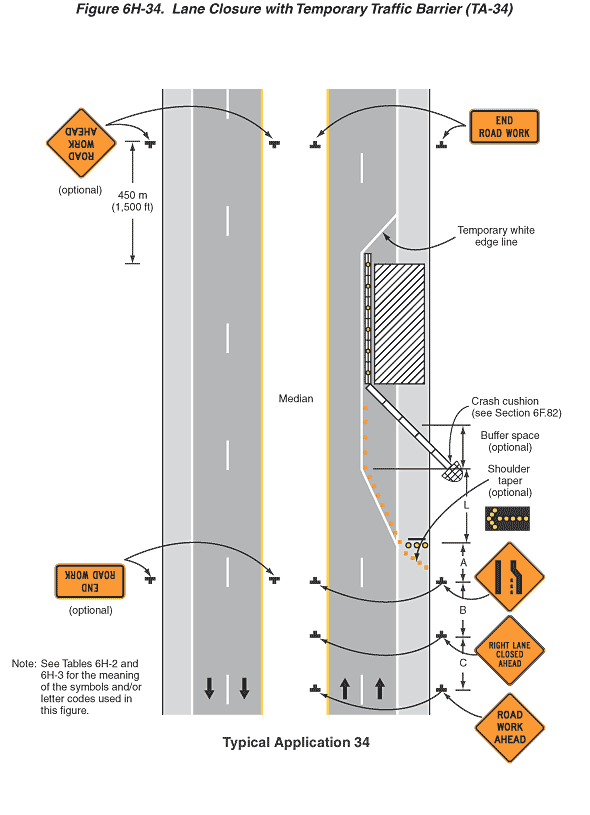
TA-34 Lane Closure with Temporary Barrier
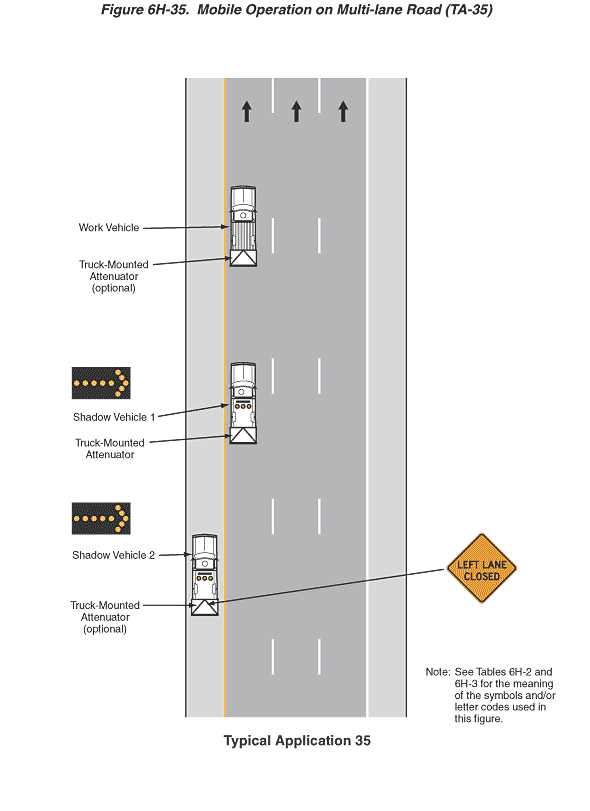
TA-35 Mobile Operation on Multi-Lane Road
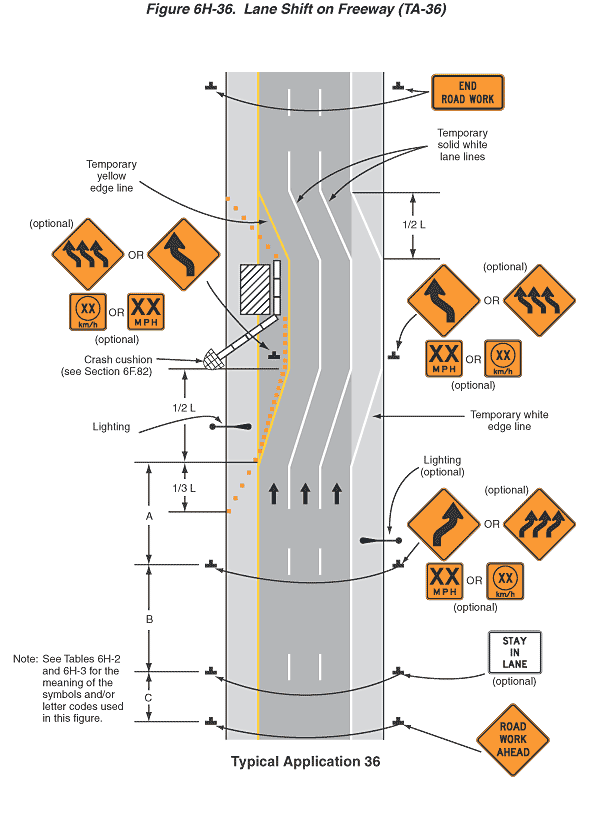
TA-36 Lane Shift – Restripe Lines
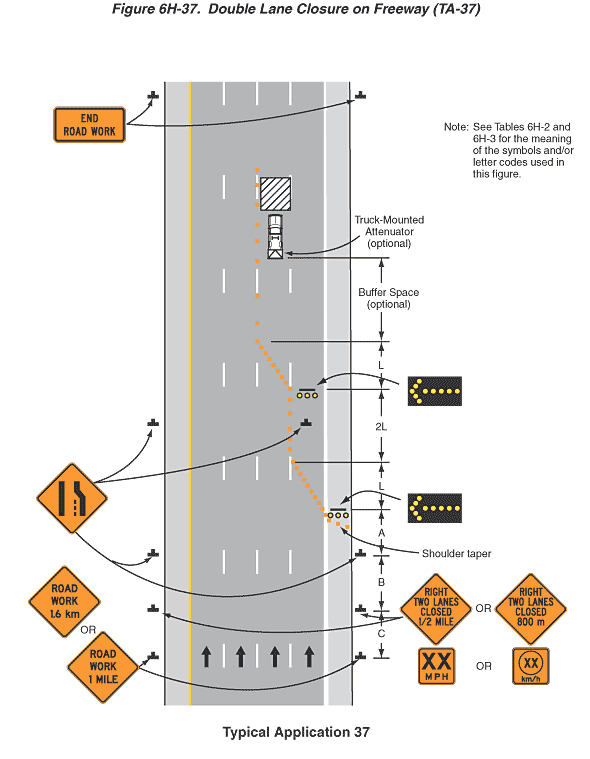
TA-37 Double Right Lane Closure
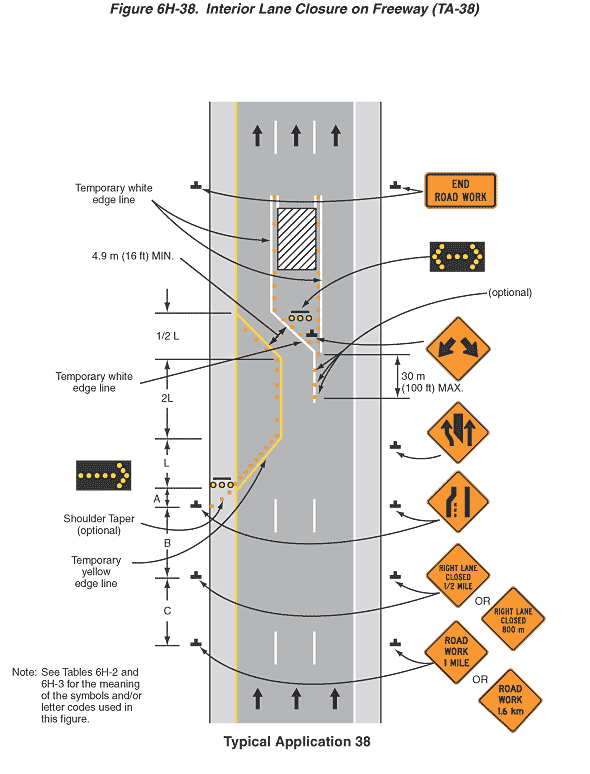
TA-38 Interior Lane Closure on Multi-Lane – Oneway Road
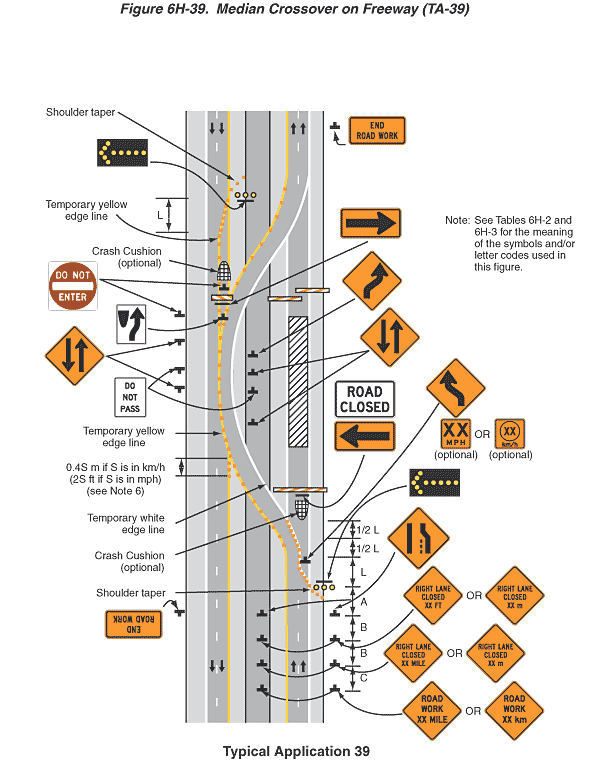
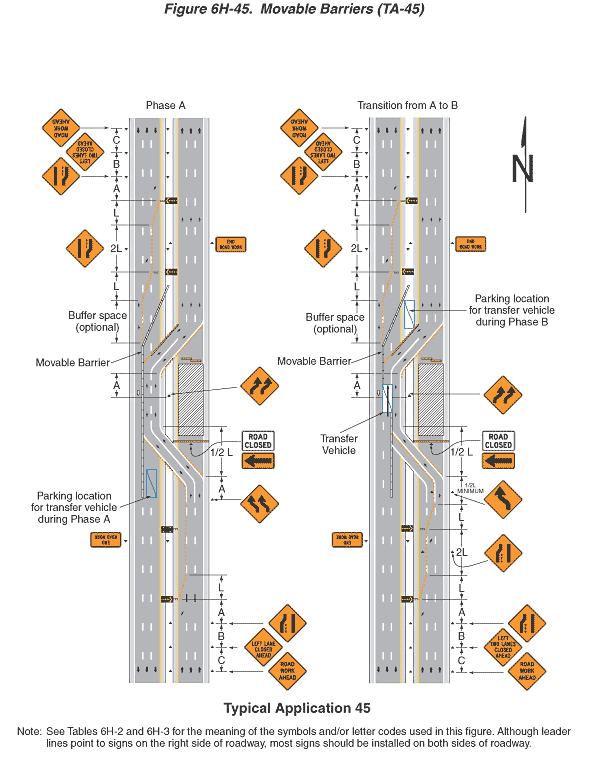
TA-39 Median Crossover – One Lane Each Dir – Crash Cushion
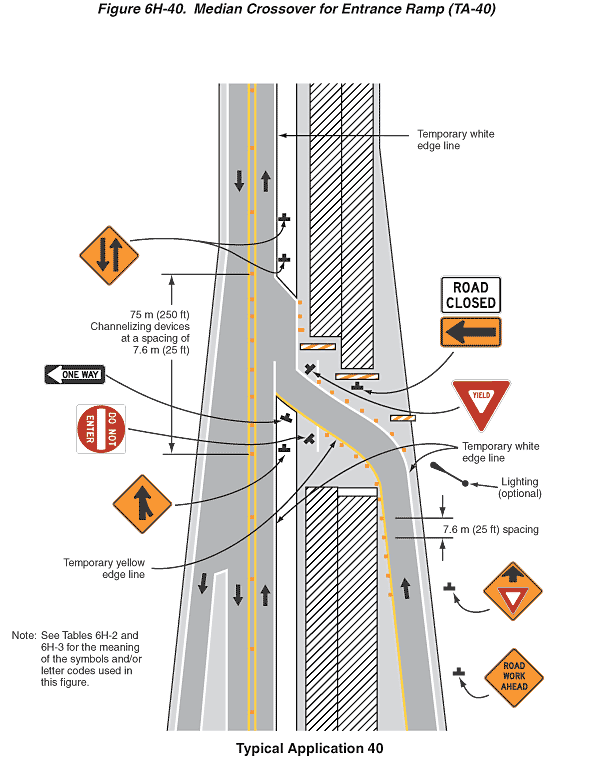
TA-40 Traffic Merging – Entrance Ramp
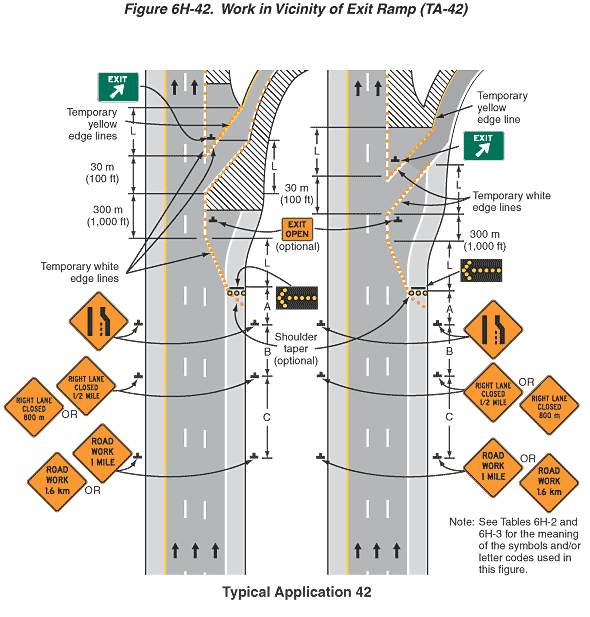
TA-42 Work in Vicinity of OFF RAMP
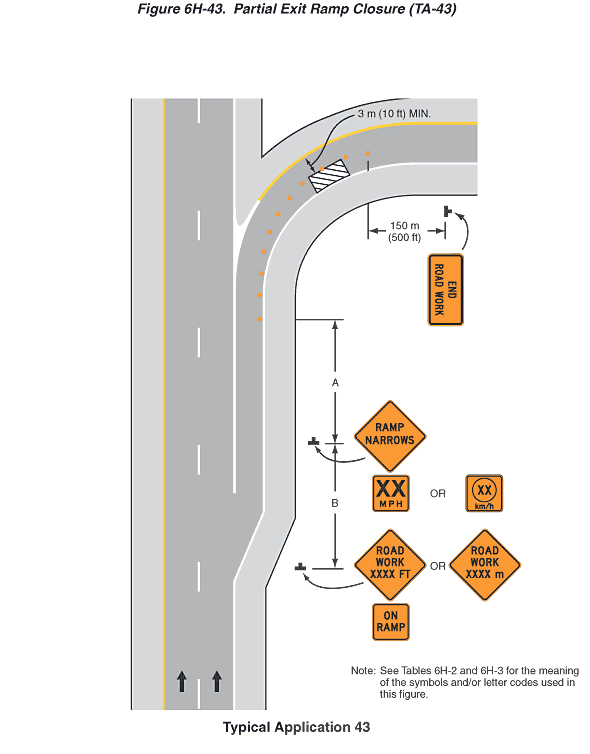
TA-43 Partial OFF RAMP Closure
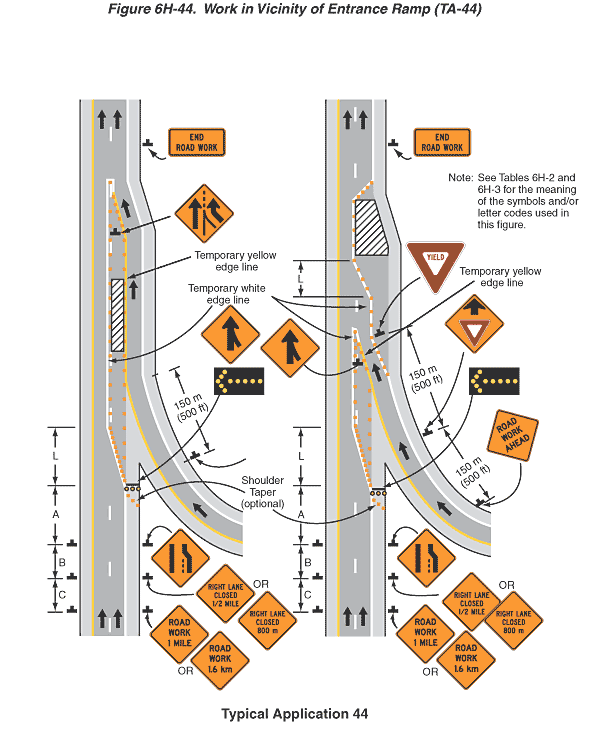
TA-44 Work in Vicinity of ON RAMP

Traffic control plan requirements
A traffic control plan is required for any permit involving the closure of travel lanes or sidewalks. Site-specific plans may be required depending on the project.
An ADA-compliant pedestrian path must be maintained for the entire duration of the project. This may include a canopied pedestrian walkway or alternate path.
A site-specific plan and schedule are required any time a pedestrian path or bike lane is proposed to be closed longer than the time needed to complete the excavation that interrupts the sidewalk or bike lane.
Construction staging
Staging equipment or materials is not a valid reason to close a sidewalk or bike lane. Salt Lake City recognizes that some construction sites have limited space, but contractors are responsible for managing staging within the public right-of-way. Long-term closures may be approved in limited cases but require a detailed plan review and formal approval.
Maintaining a valid permit
Traffic control permits are living documents. If Salt Lake City receives calls regarding your traffic control set up or maintenance, your permit may be revoked.
Contractors planning to bid on projects within Salt Lake City are strongly encouraged to call before submitting bids to confirm all related fees and requirements.
Contact us
Phone: 801-535-6630
Email: [email protected]