
Native Plant Program
About
Since 2019, the Public Lands has been propagating native plants found throughout the Salt Lake Valley. Many of these plants once grew widely throughout the area and have declined in population due to development and human and animal land use. Harvesting wild native seeds and then propagating and planting native plants on Salt Lake City’s Public Lands ensures native plant species will not be lost. This program increases our public land’s biodiversity for pollinators, wildlife, and user enjoyment. The Public Lands Restoration Ecology Program leads the Native Plant Program.
Vision
Our vision is to incorporate biodiversity and native plants into every compatible city project. Planted in local wetlands and specific areas in the Foothills, these systems will support a complex community of plants that enhances pollinator activity, actively cleans water sources, and contributes to the health of the environment and its visitors, both human and animal.
“The Native Plant Program seeks to create complete ecological systems that will be
Public Lands Restoration Ecologist Blake Wellard
resilient and self-maintaining for generations to come.”
Projects
Native Plant Program projects have been conceptualized to be dynamic, and to thrive throughout the year, with fluctuations in water, weather, and sunlight. Each space is unique, and attracting pollinators, riparian animals, and human visitors alike with local climate and climate change taken into consideration.
Project areas are selected based on the need to restore native habitat that has been lost due to impact from humans, canines, and development.
Cornell Wetlands
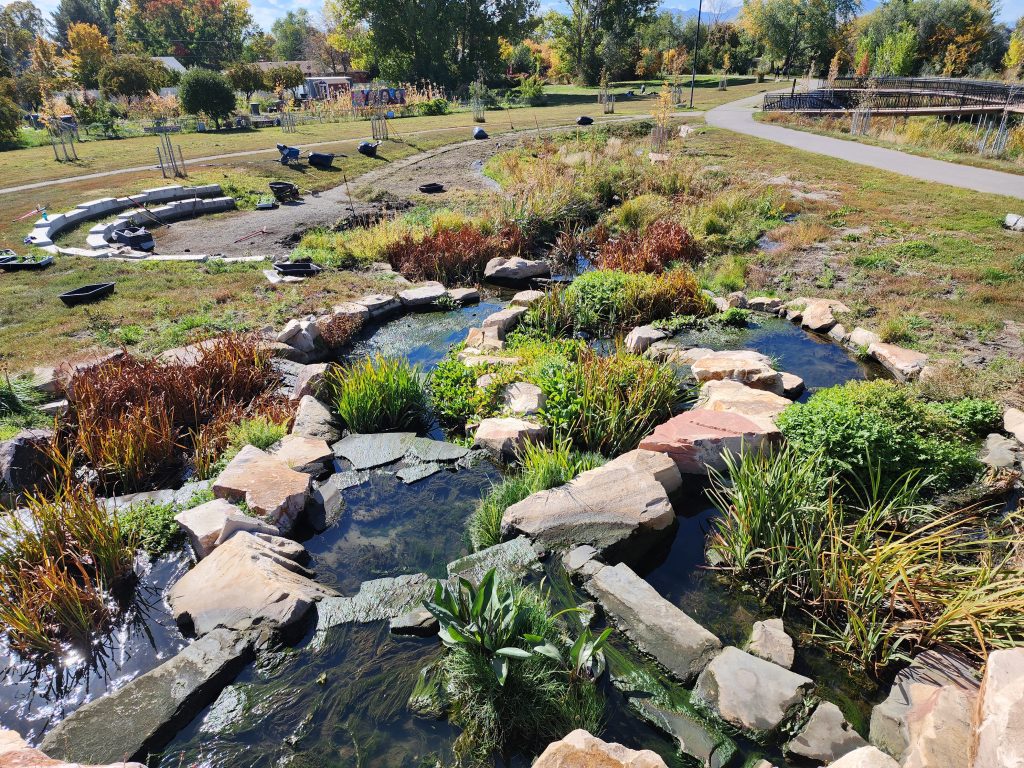
Beginning in 2019 Salt Lake City Public Utilities and Public Lands began construction of the Cornell Storm Water Lift Station Project. The project is located across the Jordan River from the Day Riverside Library in Rose Park.
The purpose of this project is to improve the quality of stormwater being discharged into the Jordan River at this location. Secondary purposes include the creation of increased habitat and wetland areas for both wildlife and recreational purposes.
Fife Wetland Preserve
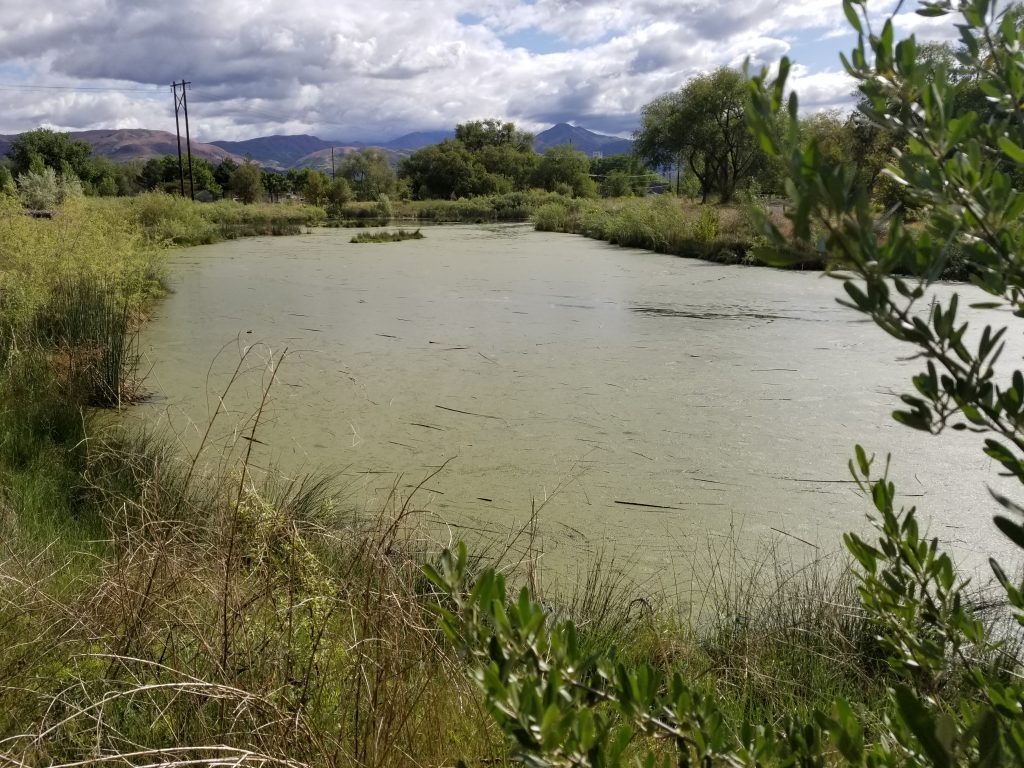
Since 2020, Fife Wetland Preserve has been a focus for revitalization efforts. This small preserve, located along the west side of the Jordan River, hosts a wide array of native plant life and is home to ducks, small mammals, and many pollinator species. Fife was created on the site of an old railroad bed, and the remains of railroad bridges can still be seen today. This important project is a collaboration between Salt Lake City Public Lands, the Natural History Museum of Utah, and The Jordan River Commission, the Bennion Center at the University of Utah, and TreeUtah.
Mary’s Spring
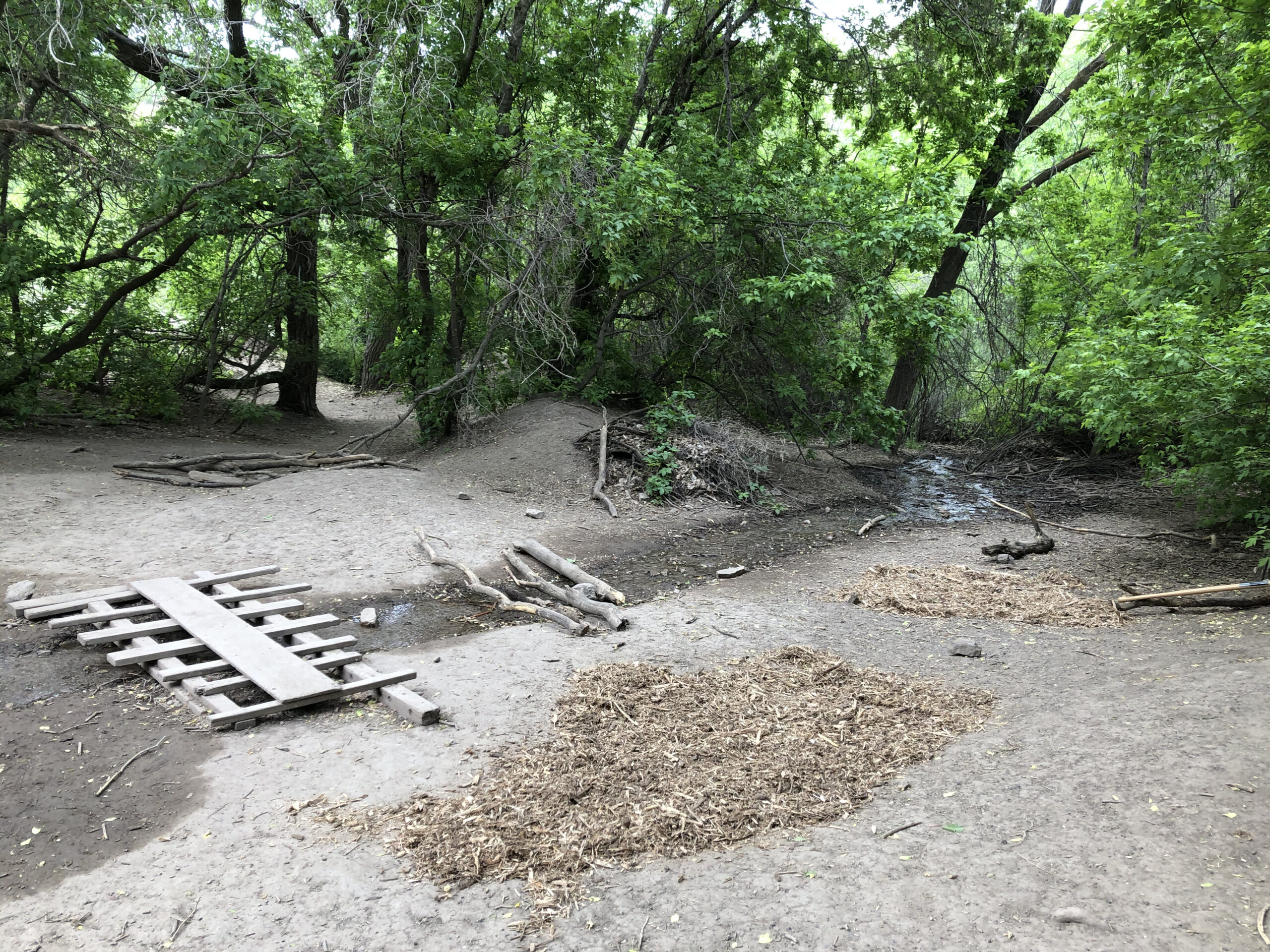
Nestled in the heart of Parley’s Historic Nature Park, Mary’s Spring is an important water source that flows into nearby Parley’s Creek. The 2014 Parleys Historic Nature Park Management plan identified Mary’s Spring as a critical wetland area. At the time of the assessment, overuse of the area had significantly degraded Mary’s Spring and the delicate surrounding wetland vegetation. The spring was nearly invisible, and the once healthy plant life all but gone. In 2020, Trails and Natural Lands constructed a perimeter fence around this habitat protection area to begin restoration of Mary’s Spring.
Fairmont Park Pollinator Project
Within Fairmont Park there are small streams that feed a 0.5 acre pond. In 2021 Public Lands began working to rehabilitate the streams and pond by building planting areas throughout the western portion of one of the streams. Improvements included removing weeds and invasive species, lining the stream with boulders to provide stabilization, and adding new trees and shrubs. Over 3,300 square feet of emergent wetlands were added, native upland and riparian habitats were established along the stream banks and around the pond, and a pollinator garden was created along the banks of the stream on the north side of the park.
Native Plant Seed Exchange
At the end of each season, our staff collects seeds from native, Utah plants either in the field or from previously harvested seeds that have been propagated in our greenhouse. We make these seeds available to the public through the seed exchange program at Salt Lake City public libraries while supplies last.
Our goal is to encourage residents to plant native seeds in their yards and gardens, hopefully replacing nonnative species. Plants that are native to Utah are drought-hardy, prevent erosion, and attract pollinators.
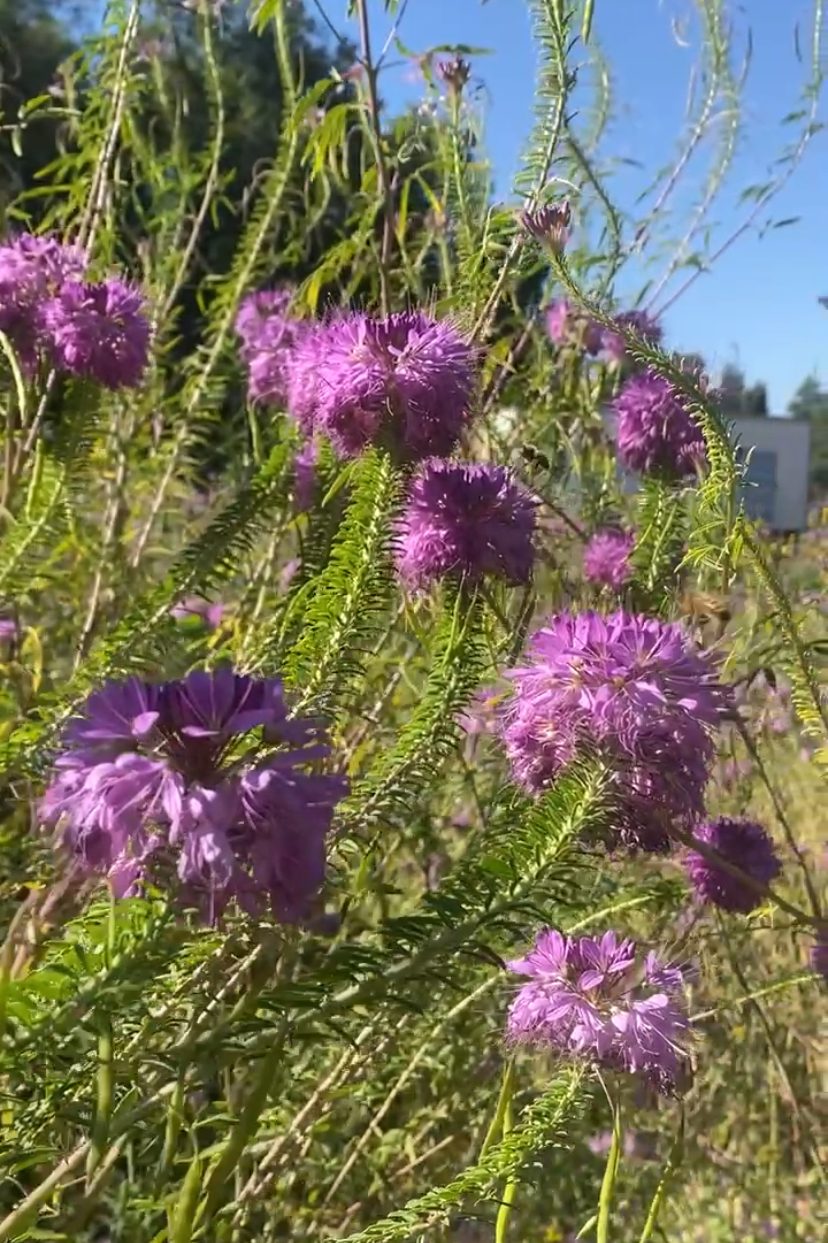
Rocky Mountain Bee Plant
The nectar-filled blossoms of the Rocky Mountain Bee Plant attract a diverse array of pollinators, including bees and butterflies. Plants can grow two to five feet tall and have a long blooming season: anytime from May through September, depending on location and elevation. They are drought-tolerant, suitable for xeriscaping, and can grow in full sun or light shade.
Planting and Care: Seeds should be planted into a weed-free seedbed in early spring or as a dormant planting in late fall after the last frost. Plant at a depth of ¼- to ½-inch. After one growing season, Rocky Mountain Beeplant is likely to reseed in relatively low numbers. It is not a perennial but will drop its seeds before it dies, which will self-sow for the next growing season.
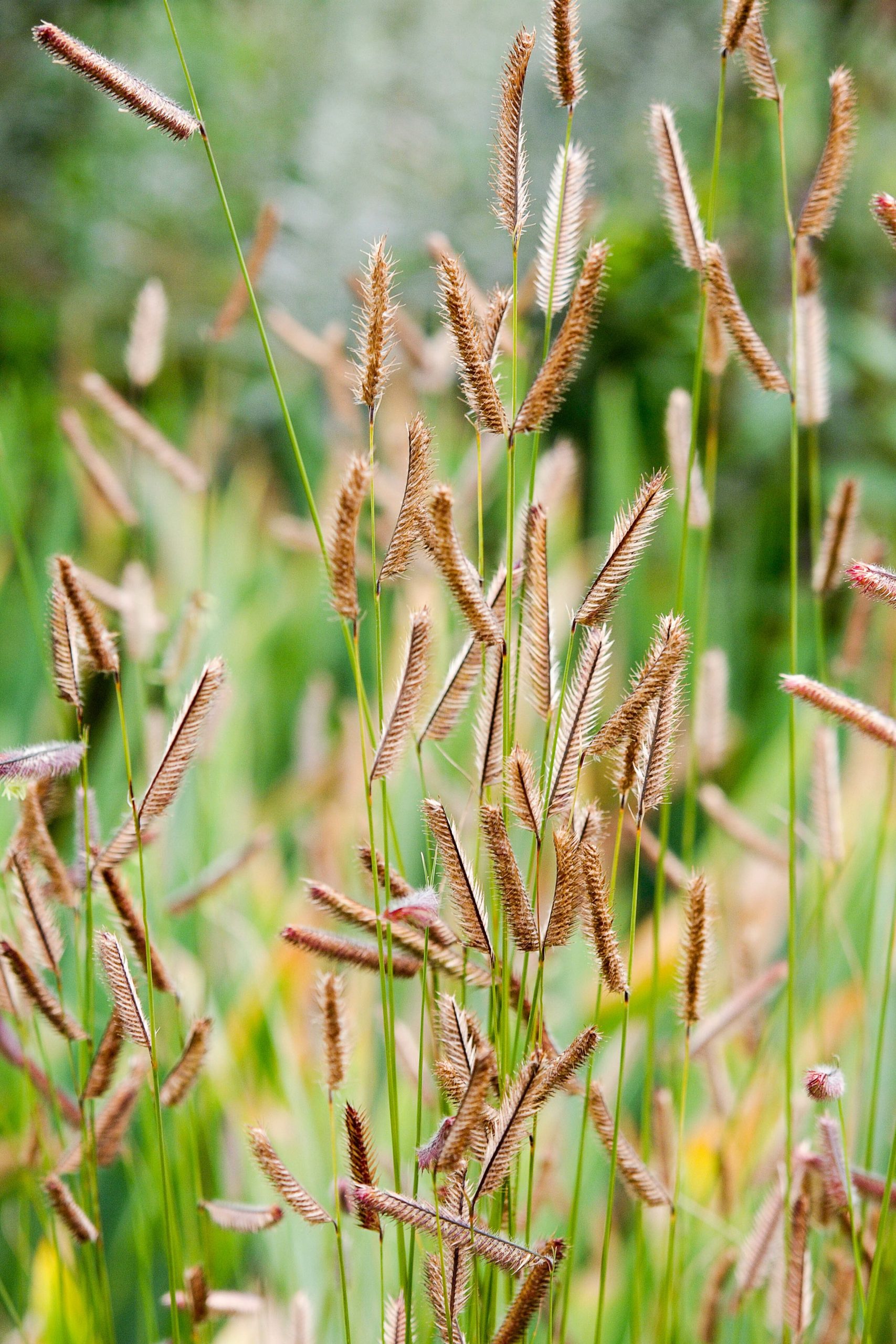
Blue Grama (grass)
Blue Grama is an excellent host plant and food source for caterpillars and provides good erosion control. It is drought and heat-tolerant and tolerates a wide variety of soil types, with good drainage. It can make a good focal point in a garden with its unique, comb-like seed heads, or can be used as a replacement for typical lawn grasses.
Planting and Care: Loosen the soil to a depth of 3-4 inches. Sprinkle seeds on the soil by hand, then gently press them into the soil. Water thoroughly after sowing. Continue watering 1-2 times per day until the seeds germinate. Taper watering to every other day once seeds sprout, being careful to make sure they don’t wither. Once the grass is established, it must only be watered every three to seven days, depending on the heat and weather. Cut back to the ground in late winter.
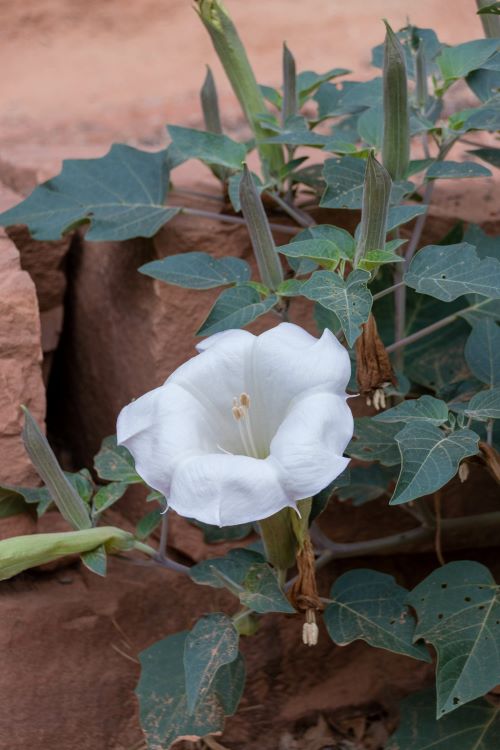
Angel’s Trumpet
Angel’s Trumpet (Datura wrightii) plants are large, growing from four to five feet tall and wide, with fragrant white flowers that bloom in the evening and after sunset. They thrive in full sun with well-drained soil and are drought-tolerant once established. All parts of the plant are poisonous and should not be consumed.
Planting and Care: To help accelerate germination, seeds may be soaked overnight in warm water. They can be sown indoors then transplanted outdoors or sown directly in the soil in late spring or early summer. Plants will die back after the first frost and regrow the following spring.
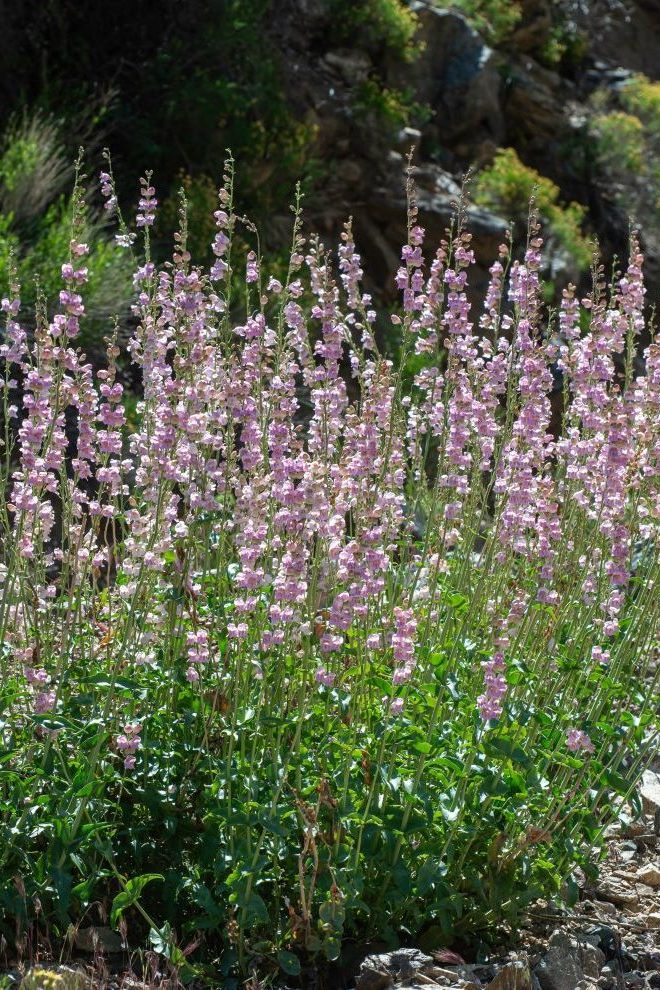
Palmer’s Penstemon
Palmer’s penstemon is one of the only penstemons with a fragrance. It blooms in early summer with tall spikes of pink blooms attractive to bumblebees, hummingbirds, and butterflies. It is drought-tolerant, handles hot summers well, and can grow up to four to five feet tall. This penstemon cannot tolerate clay soil; it needs sandy or rocky soil as it is a high desert plant. It will live for four to five years.
Plants grow early in the spring, with blossoms appearing in late spring and early summer. They may not flower until the second growing season.
Planting and Care: For fall planting, plant seeds in the fall from 1/8 to ¼ inch depth, pressing seeds into the surface of soil. Seeds need some light to germinate. Some seeds may not germinate until the second growing season. For spring planting, mix the Palmer’s Penstemon seeds with moist sand and store in the refrigerator for thirty to sixty days before planting. This is called cold stratification. Keep the soil lightly moist until germination. This seed can be started indoors 6-8 weeks before planting in the spring.
Once outdoors, water seedlings until they become established, but do not overwater. After its blooms die, cut the plant back to several inches above the soil, unless you want to harvest the seeds.
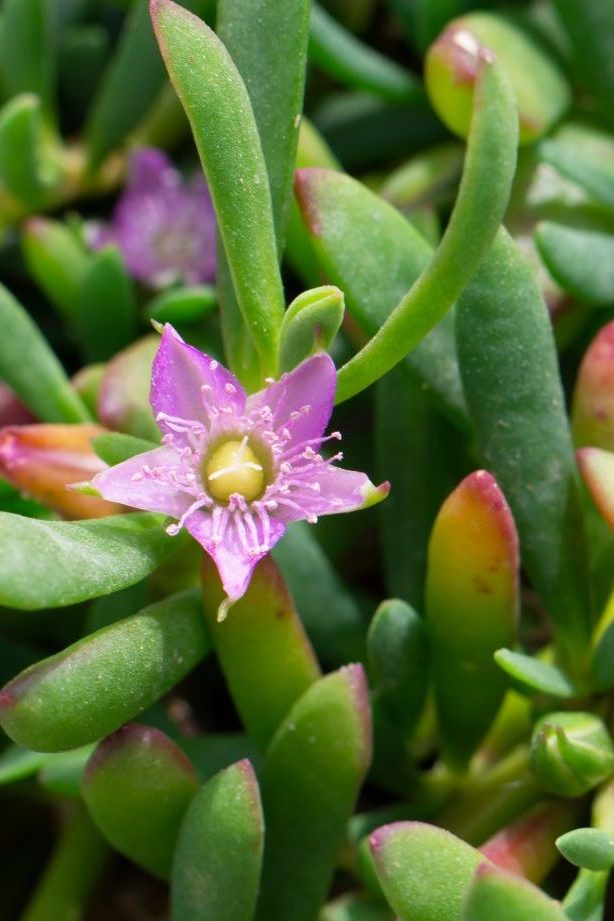
Western Sea Purslane
Purslane thrives in a wide range of well-drained soils and needs 6-8 hours of sun. Its long stems form a groundcover mat and will cascade over rocks and containers. Its flowers are bright pink, and its leaves and flowers are edible and can taste salty. It prefers to have enough space to sprawl out one or two feet per plant.
Planting and Care: Sprinkle seeds directly on top of moist soil in the early spring, after the last frost. Do not cover the seeds. Keep the soil moist until germination. Once established, the plant can be trimmed and shaped easily. It will reseed itself.
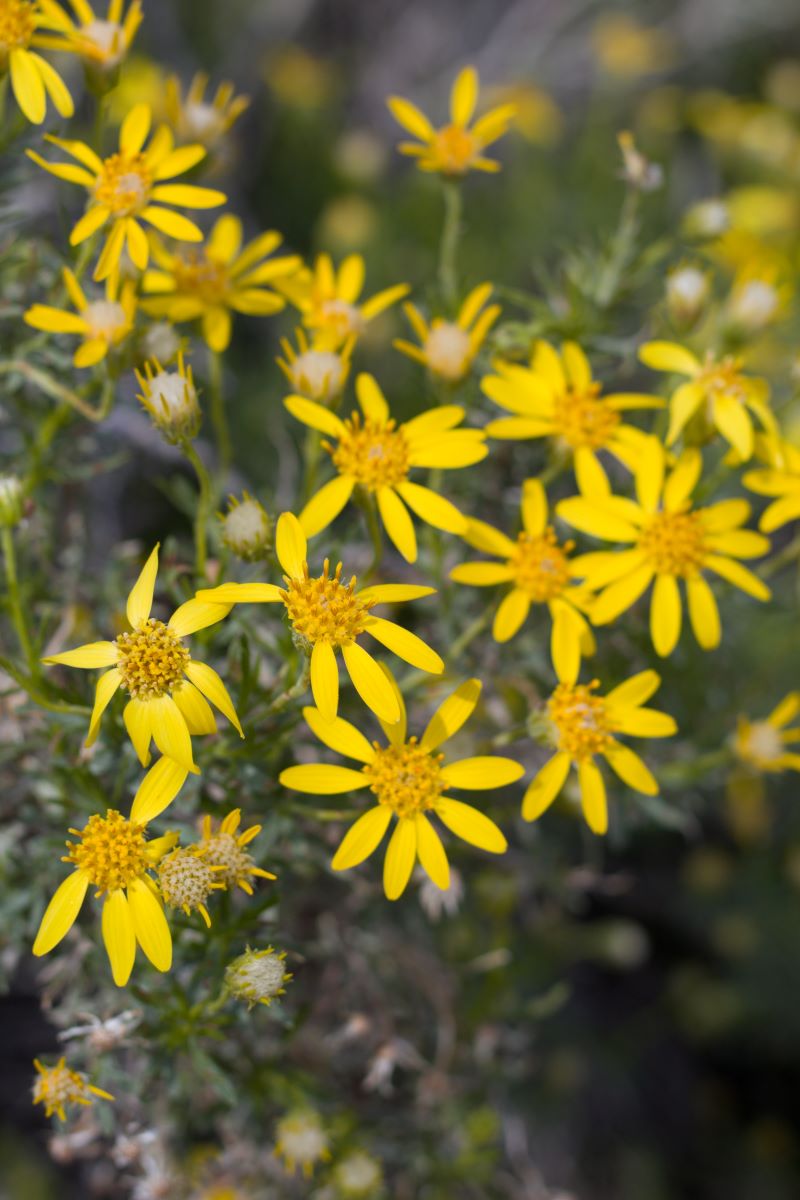
Narrowleaf Goldenbush
Narrowleaf goldenbush is a small shrub that grows three feet tall and over three feet wide, with numerous yellow flowers. It prefers dry conditions, full sun, and sandy, rocky soil. Its bright yellow flowers attract butterflies, and its resinous leaves resist browsing by deer.
Once established, it is drought-tolerant and requires minimal watering. It will reach full size after two to three years and lasts three to five years.
Planting and Care: Sow seeds directly in the ground in the spring after the last frost. Germination can be ensured by starting seeds indoors in well-draining, warm soil at about 70 degrees. When planting outdoors, space seeds two to three feet apart. Seeds or seedlings should be planted at a depth of 1/4 inch to ensure they establish well.
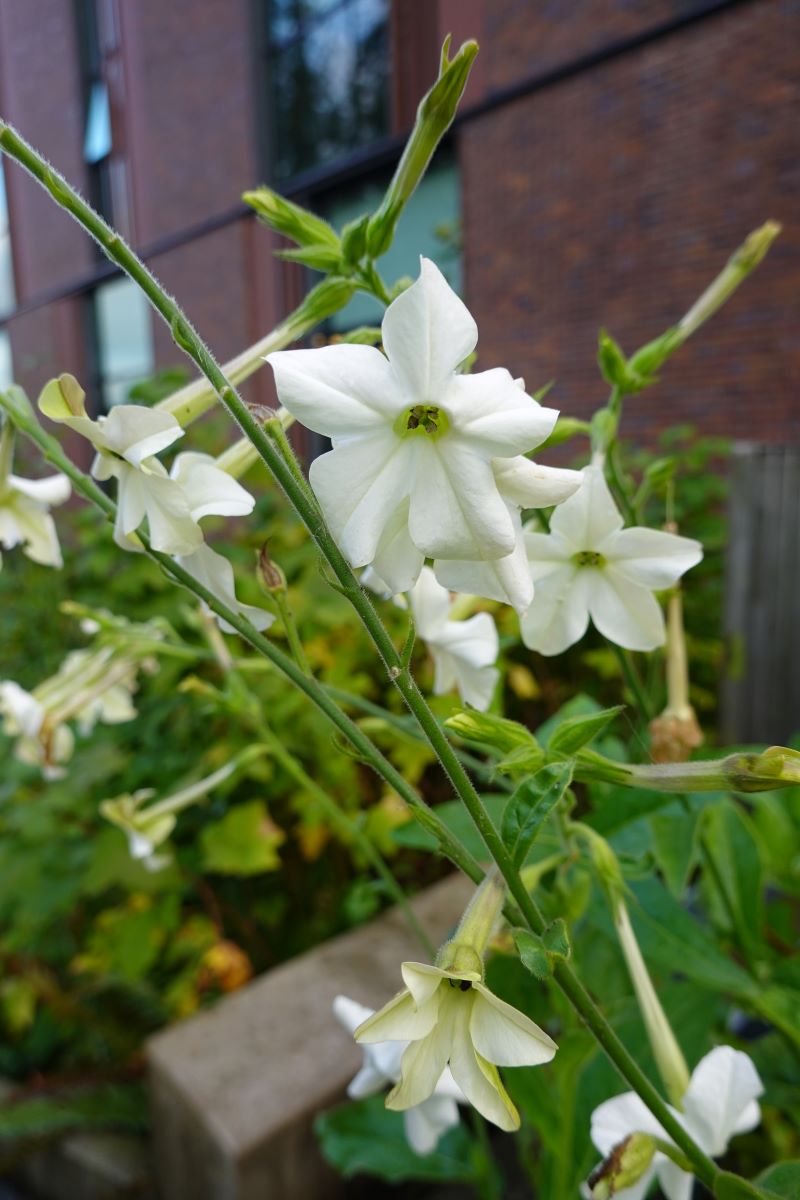
Coyote Tobacco
Coyote tobacco is drought and heat-tolerant once established. It tolerates a wide variety of soil types, with good drainage, and prefers full sun. Its flowers attract pollinators such as Hawkmoths, hummingbirds, and bees. It grows up to three feet tall and has trumpet-shaped white flowers, which will bloom continually with regular watering.
Coyote tobacco leaves contain nicotine, which protects the plant from predators. The exception is the Hawkmoth caterpillar, which is unaffected by the leaves’ nicotine.
Planting and Care: Sow indoors, placing seeds on the surface of well-draining soil, and do not cover with soil or other material. Cover the sprouting container with plastic wrap to create a warm, moist environment. Once germinated, gradually acclimate the seedlings to outdoor conditions by placing them in a location with full sun to partial shade. Water them regularly, allowing the soil to dry slightly between waterings.
Our Program Partners
We have an amazing list of community partnerships that assist our work and share our vision. In addition to these organized groups and nonprofits, we appreciate the helping hands of many volunteers throughout the year.
| Utah Department of Natural Resources | Utah State University – Pollinator Habitat Program | Utah State University – Rare Plant Program |
| Utah Friends of Monarchs | University of Utah | The Nature Conservancy |
| Utah Open Lands | Sageland Collaborative | The Natural History Museum of Utah |
| Utah State Department of Corrections | Utah State Wetland Ecological Lab | Utah Valley University |