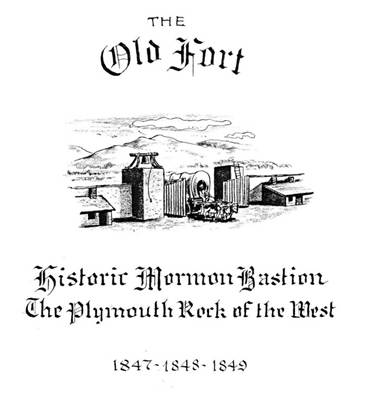
Public Lands Legacy: The History of Pioneer Park
Pioneer Day is a state holiday commemorating the arrival of Mormon Pioneers to the Salt Lake Valley. The holiday focuses on our state’s unique history and helps Utahns connect the past to the present. Today, Pioneer Day is celebrated with parades, rodeos, and memorable community events. To understand the history of pioneers arriving in Utah, let’s take a closer look at one of Utah’s oldest parks, Pioneer Park.
Pioneer Park as the ‘Plymouth of the West’
After travelling for weeks searching for their land of Zion, the Mormon Pioneers first stopped at what became known as the Old Pioneer Fort, which later became Pioneer Park. Contrary to some beliefs, the pioneers did not set up camp at This is the Place monument, or even Temple Square. The first settlement within the Salt Lake City Valley was the Old Pioneer Fort. The pioneers began construction of the fort only a week after their arrival in the valley in July of 1847.
Through collective labor, the pioneers divided work between groups, laying plans for their future city. While some began farming and others began mapping out our infamous grid system, the development of central living quarters was essential to house the earliest settlers and their families. Within a month of their arrival in Salt Lake City, 29 log homes were built around Pioneer Park, making up the Old Fort.
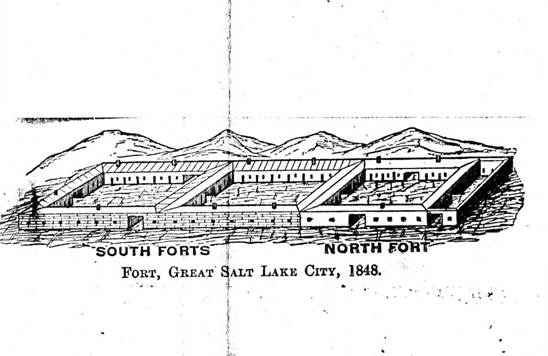
Life in Salt Lake began in simple homes constructed from chopped logs, adobe, and plaster. The Old Fort quickly became the center of community life, hosting dances, legislative meetings, civic gatherings, and elections, while also serving as the site of the first school in the Salt Lake Valley. On December 9, 1848, community leaders met at the Old Fort to consider their petition to Congress requesting the establishment of their own territorial government.
Changes at Pioneer Park
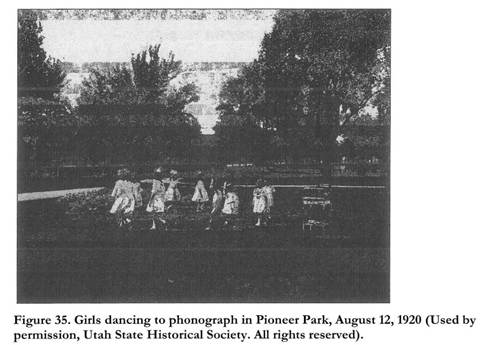
As our city evolved, Pioneer Park grew with it. The historical and cultural significance of the Old Fort site continued strongly throughout the nearly two centuries that followed. After the completion of surrounding homes, the Old Fort became a campground and welcoming site for new immigrants to the valley. After 1890, it became a playground, and on July 24th, 1898, the location was officially dedicated as Pioneer Park.
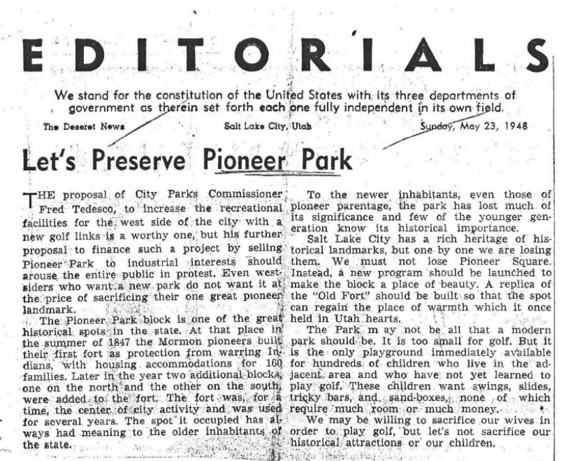
In the early 1900’s, planning committees and beautification teams kept the city interesting and alive despite shifting population and land use. When city officials considered selling Pioneer Park due to financial problems, Gaylen S. Young, a grandson of Brigham Young, protested the sale, citing the city’s promise to his grandfather to preserve the land as a public park. Thanks to the vocal pushback from historians, descendants of pioneers, and park-lovers, Pioneer Park remains a central downtown park for Salt Lake City residents today.
The Future of Pioneer Park
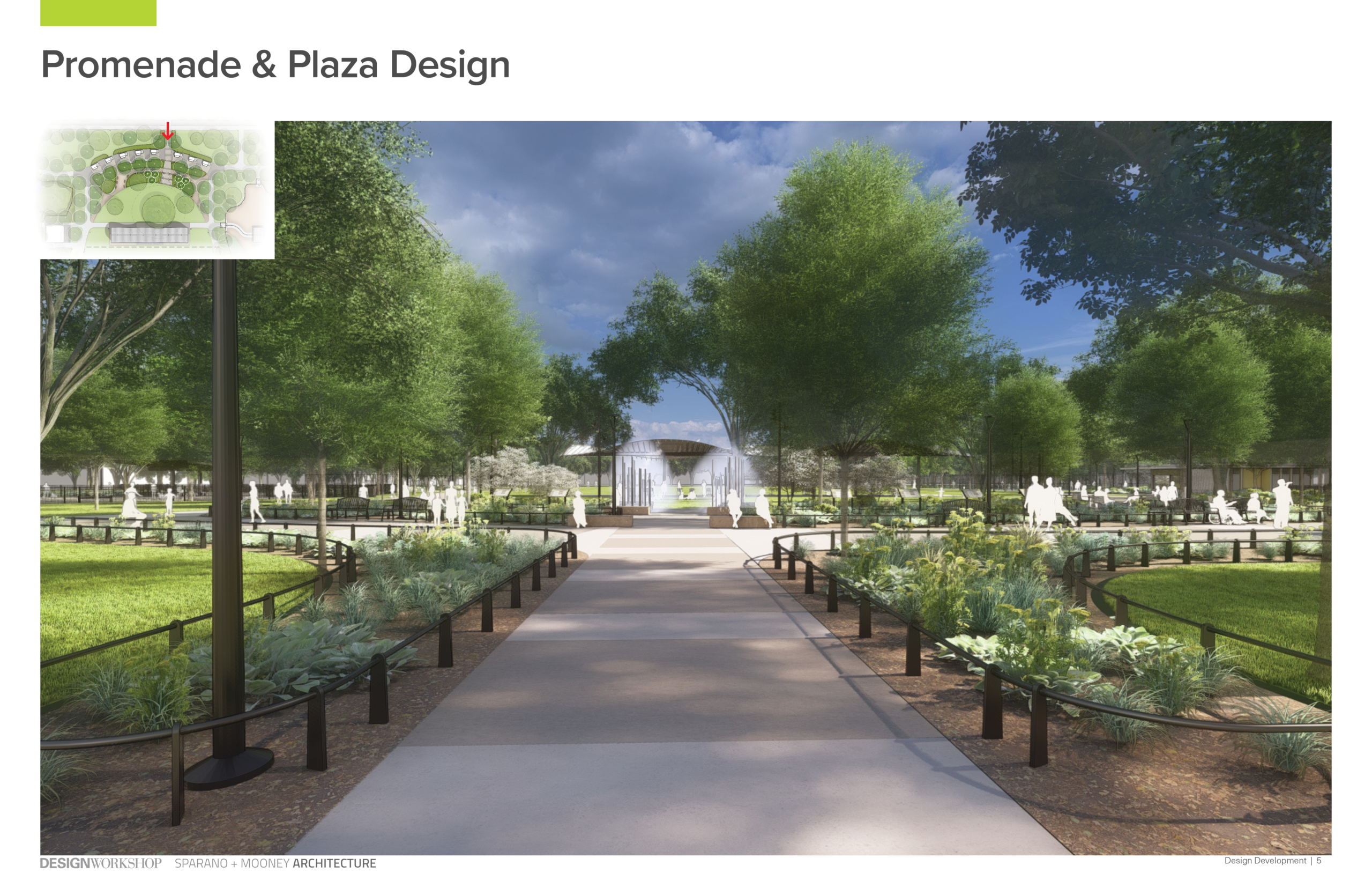
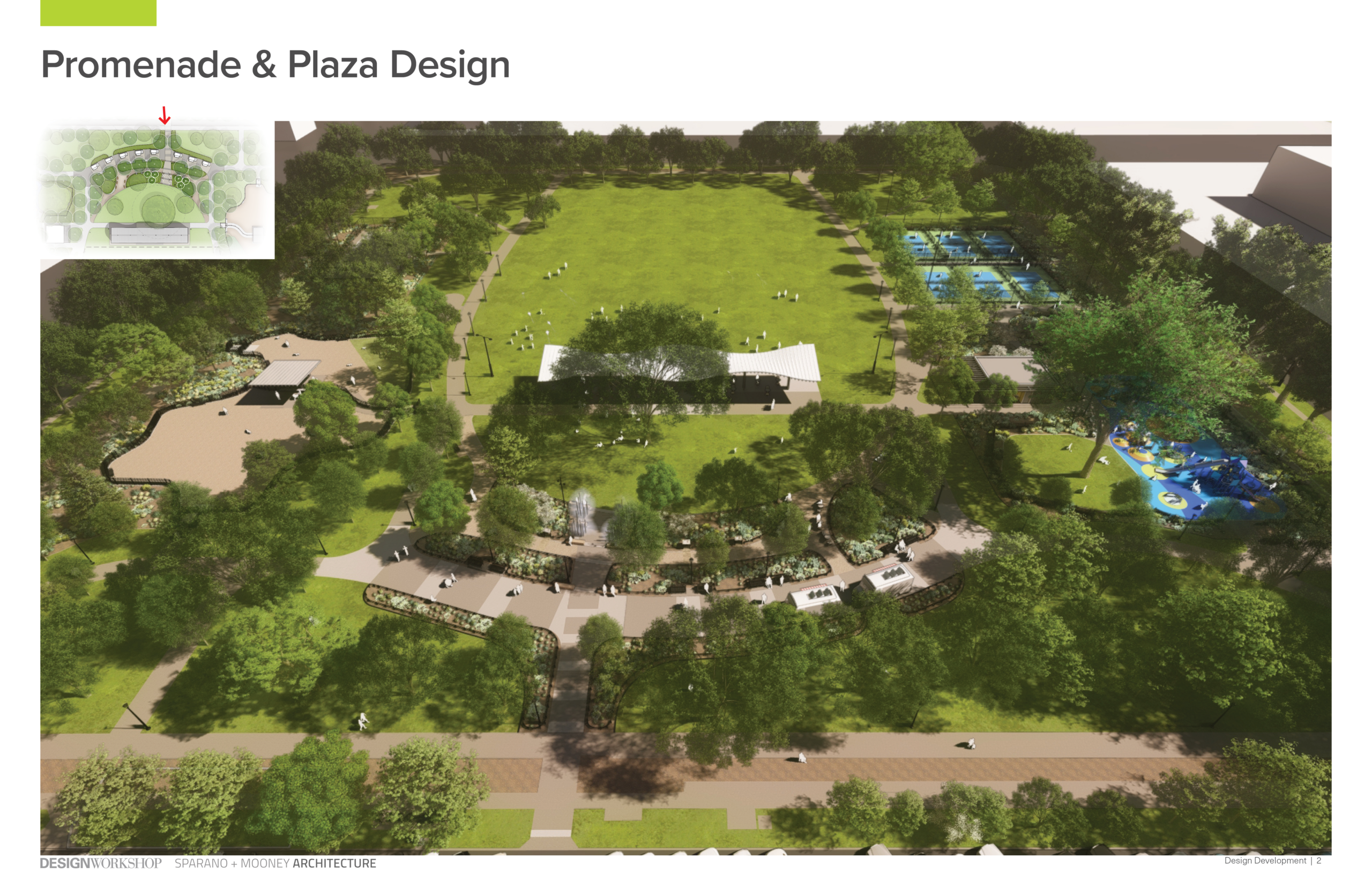
Salt Lake City Public Lands has broken ground on the Pioneer Park Improvement Project. Construction on Pioneer Park began in March of 2026, and the future of the park aims to enhance the space by adding several features focused on safety, accessibility, and year-round use. The improvements to Pioneer Park will allow the city’s growing population to access a healthy, happy, and safer green space to connect to nature in the heart of downtown.
The Utah Historical Society has compiled historical data, images, letters, and post card mentioning Pioneer Park over the two centuries our state has been established. Check out their fascinating report here!
Tags: Pioneer Day, Pioneer Park, public lands, Salt Lake City Public Lands