Reimagining Landscapes with SLC’s Restoration Ecology Team
When it comes to the landscape, what few might notice, our team obsesses over. Our Restoration Ecology team has been hard at work over the past few years dreaming and executing new ways for Salt Lake City’s Landscapes to thrive not just now, but long term.
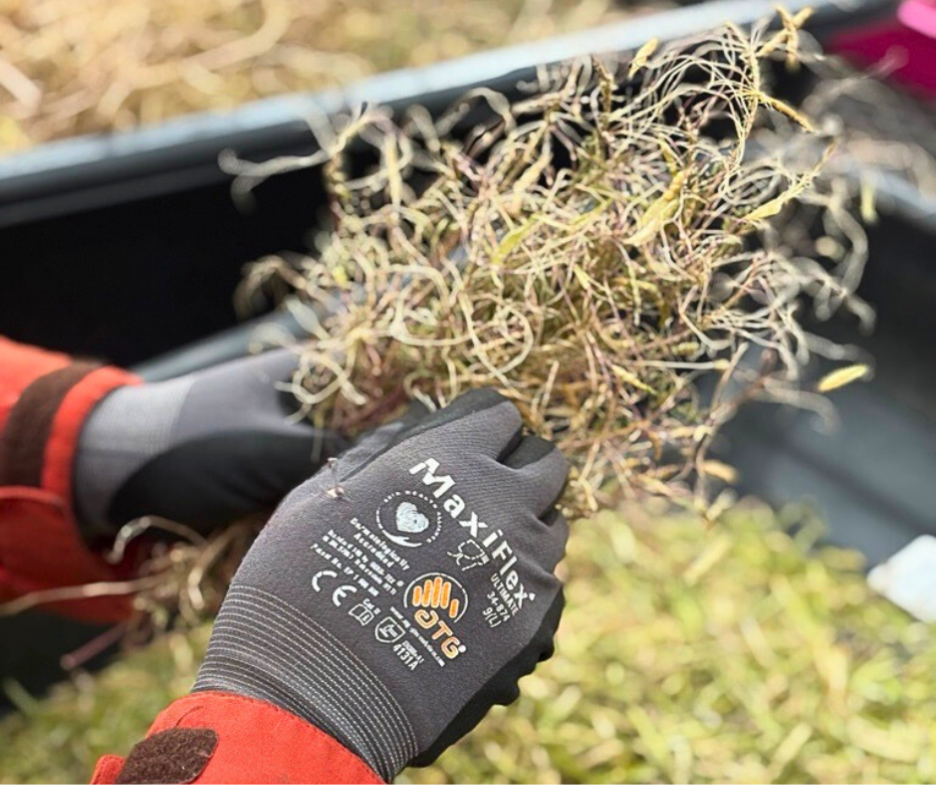
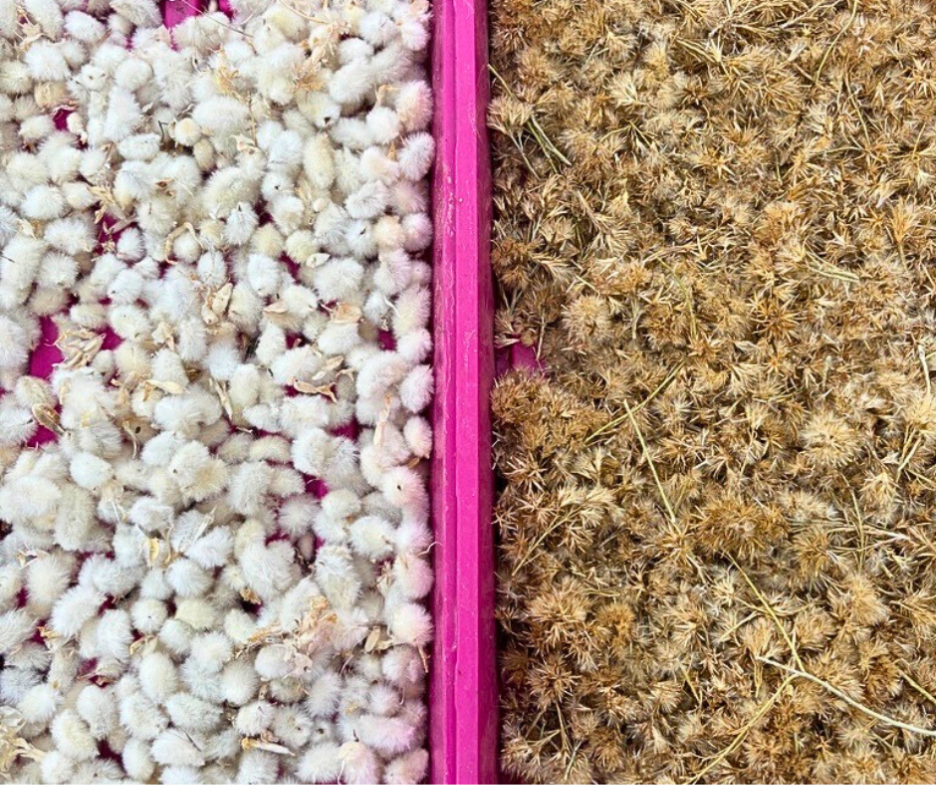
This is most obvious through their seed collecting program. With Department of Natural Resource permits in hand, our team travels throughout Utah to collect seeds from a variety of native plants. Once back in our greenhouse, these plants are laid to dry in preparation for seed separation and storage.
And you might be asking why? Wouldn’t it be easier to head to a nursery and buy a few pallets of what we want? Wouldn’t it save time and effort? In theory and a perfectly easy world, yes. However, it would sorely miss the entire mission that is at the heart of this team.
Our ecologists do not just put plants in the ground and monitor them over a season. They study our unique landscapes and the way they have and will change, predicting what will thrive in the years to come.
According to some current models and considering warming patterns sweeping the globe, Utah’s landscape is on track to mirror that of the Mojave Desert’s. Our restoration ecology team is aware of this potential change and is adjusting their approach now to help adapt Salt Lake City’s terrain. By selecting plants of the same species that thrive in our state’s southernmost climates and bringing them to the Valley, they’re establishing a new landscape that has already started to thrive.
Reimagining the landscape is critical in the longevity of our ecosystem here, but also us. When speaking with our greenhouse manager, Shwan Miller, he puts it simply “…The backbone of any natural environment, of any ecosystem, is going to come from the plants that we have.” He further explained the importance of survival rate and adaptability of these plants especially when it comes to pollinators. Pollinators depend on these plants to continue their own life cycles as well as the life cycle of the fruits, vegetables, and other plants we rely on to stay fed and healthy. He continues: “…So really the chain breaks down if we remove anything along the way, and the less of these chains, the less of these webs of ecological interactions we have in our ecosystem, the less healthy it is and the less ability it has to withstand climate conditions…”
These changes are inevitable, but our team is constantly reimagining their process to figure out how to make our Salt Lake City spaces more resilient. There is not always going to be a perfect solution, a one size fits all cure, but this team’s work is noteworthy especially in a time where it might seem difficult to find the good happening for our planet.
So, thank you to our restoration team for the work you are constantly doing to find solutions for our land and for us. You can stay up to date on our greenhouse happenings and volunteer plantings by keeping your eye on our social media pages and events calendar.
Tags: BeWILD, native plants, public lands, Restoration Ecology, salt lake city, Salt lake city foothills, salt lake city trails, SLC Greenhouse, Stewardship