Salt Lake City Public Lands Wildfire Mitigation
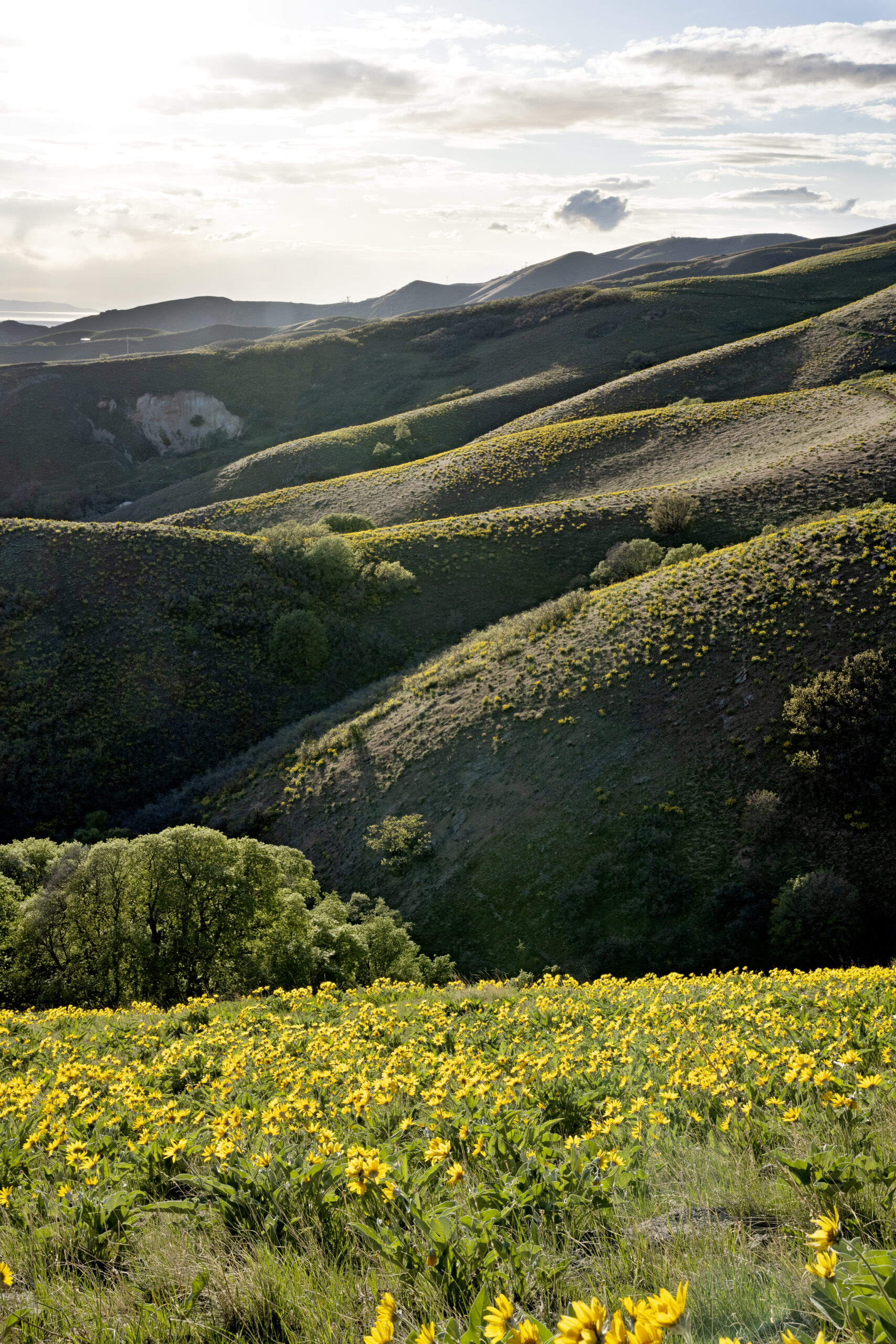
Salt Lake City’s Public Lands Department oversees over 8,000 acres of parks and open spaces, many of which are located next to residential neighborhoods and businesses. Wildfires that occur in these areas pose significant risks to those living and working nearby.
To mitigate these hazards, Salt Lake City proactively manages its public lands in collaboration with the community. Efforts include native plant restoration, noxious weed control, and extensive public education initiatives aimed at helping citizens prepare for and reduce wildfire risks. Some of the active and proposed efforts to mitigate wildfire risk in the Salt Lake City Foothills include:
Salt Lake City Wildland Urban Interface Fire Code
In 2025, the State Legislature passed a law requiring cities to adopt the same Wildland Urban Interface (WUI) code as the state before Jan. 1, 2026. WUI codes are a set of rules aimed at reducing the risk of wildfire, protecting lives and property, and supporting emergency response. The code will add extra fire safety rules for properties near underdeveloped natural areas.
SLC Citizen Wildfire Mitigation Permit Program:
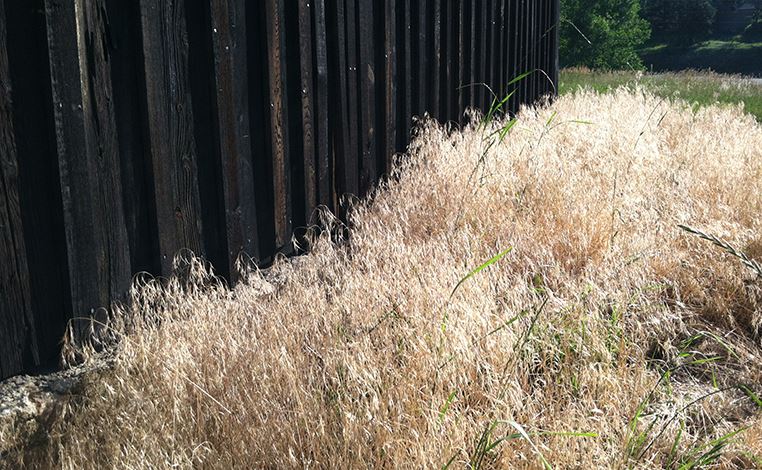
Salt Lake City encourages residents to participate in wildfire mitigation efforts by allowing property owners to cut grass around the boundaries of their properties that abut City-owned parks and natural spaces. Depending on the location, this grass cutting may extend five to 30 feet into City property. Property owners can also plant native grasses in the fall using approved seed types.
SLC Fire Free Home Risk Assessment:
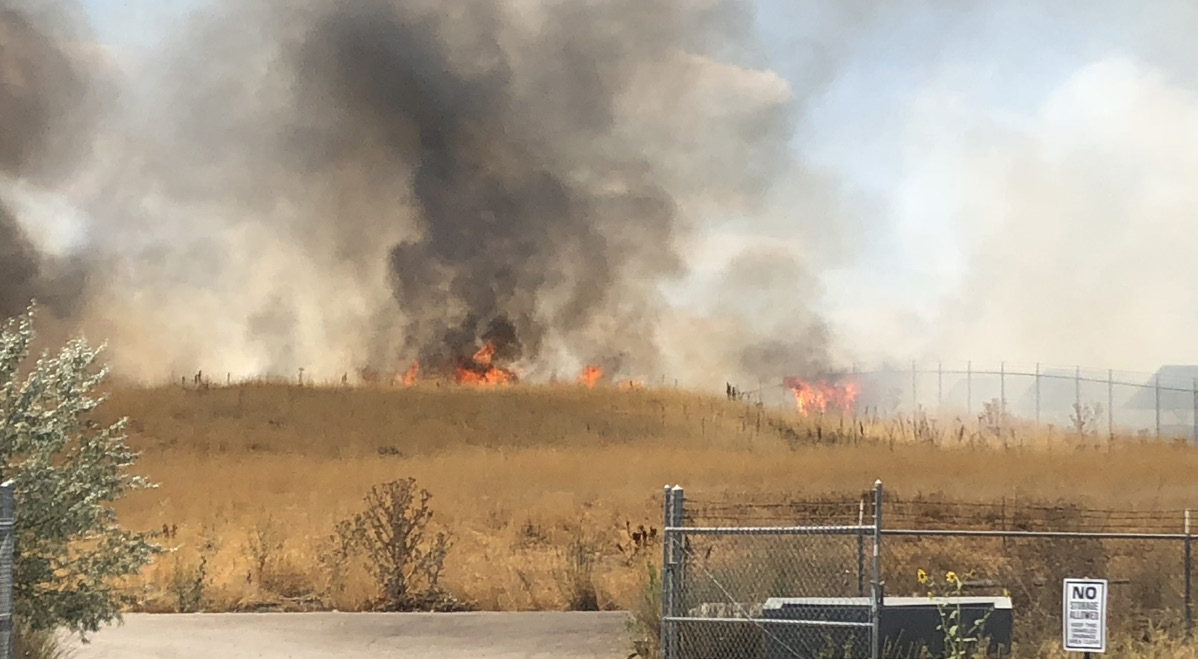
Public Lands promotes the SLC Fire Free Home Risk Assessment and uses this program to assess fire risks in open space properties. This helps guide ongoing management efforts and reduce wildfire risks in natural areas.
SLC Park Ranger Program:
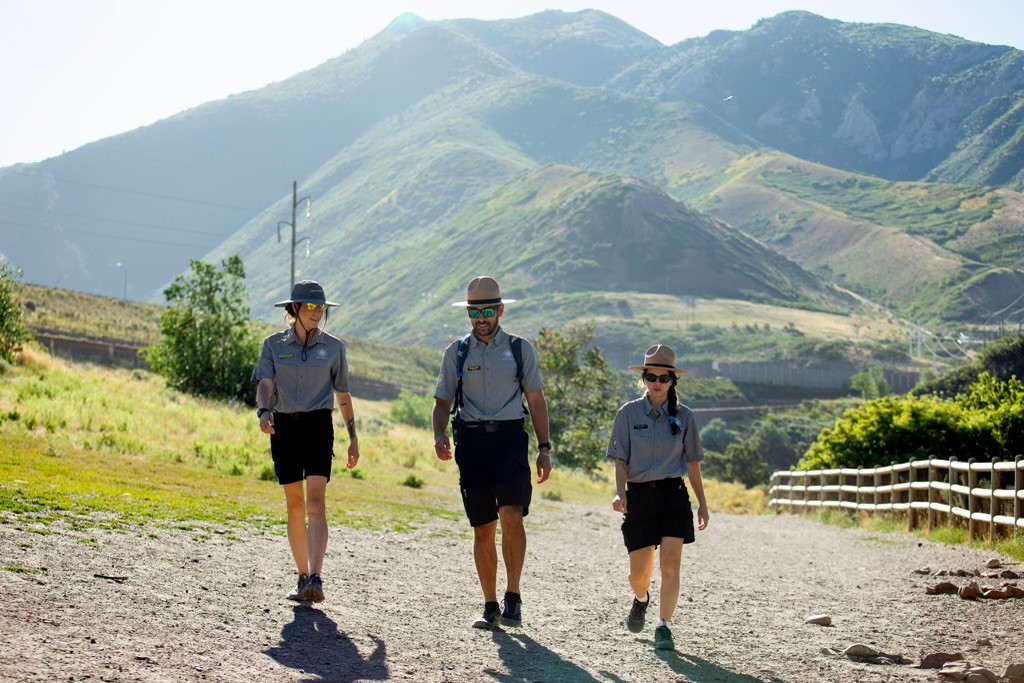
SLC Public Lands employs two dedicated Foothill Natural Area Rangers. For the past four years, these rangers have played a critical role in the stewardship of the foothills, including:
Daily Presence and Volunteer Support: Rangers conduct daily patrols to assist with volunteer enforcement and education. In FY25, rangers identified several unattended fires, either controlling them or notifying SLC Fire.
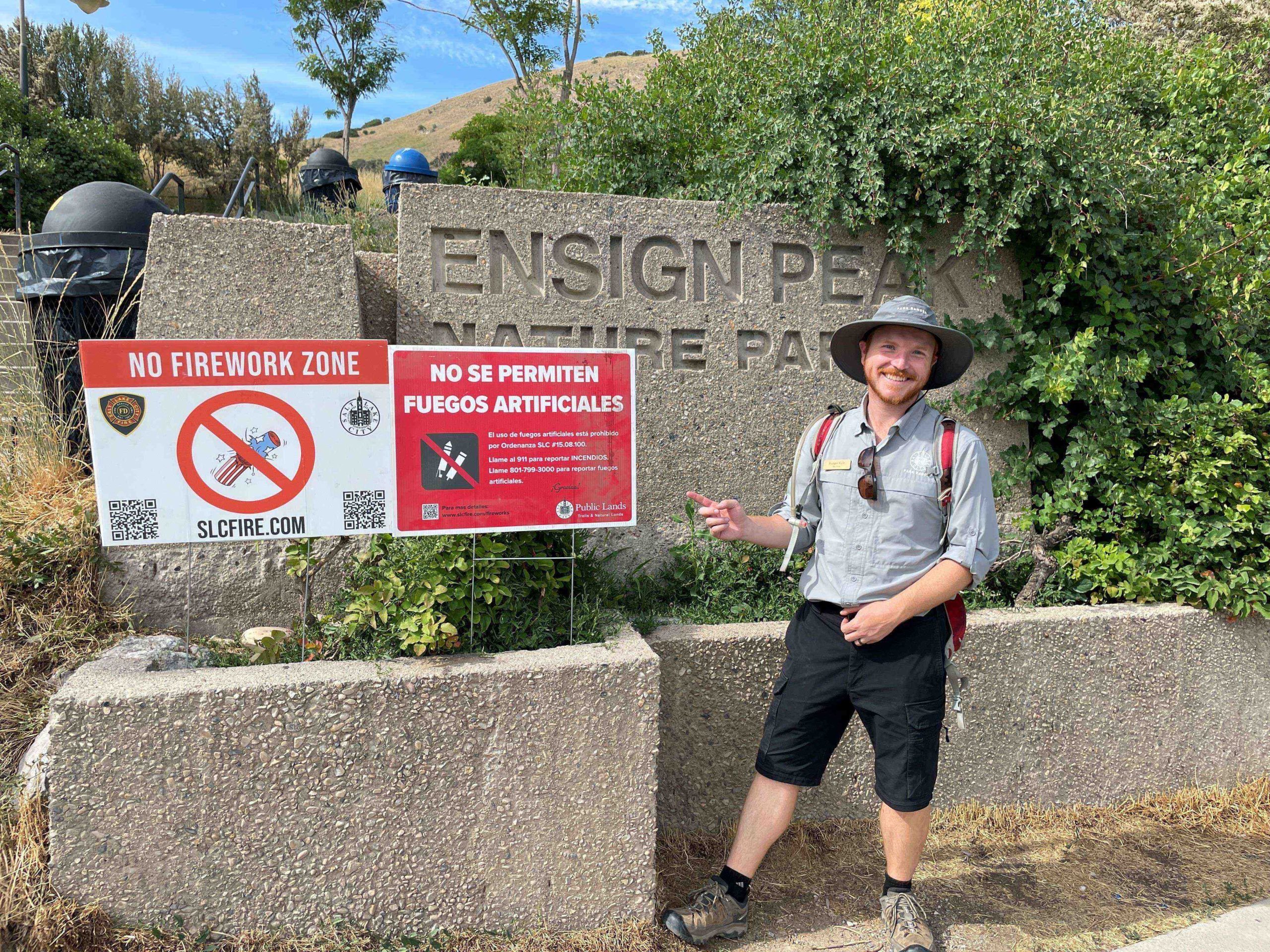
Firework Education and Patrols: During high-risk seasons, Rangers engage in firework education and increased patrols. Additionally, firework signage is placed at all major trailheads.
Be Wild Campaign: This initiative aims to raise awareness about fire prevention and safe recreation practices in the foothills.
Foothills Maintenance Staff:
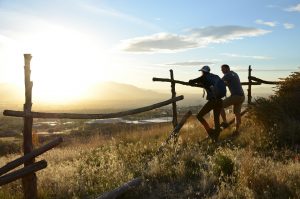
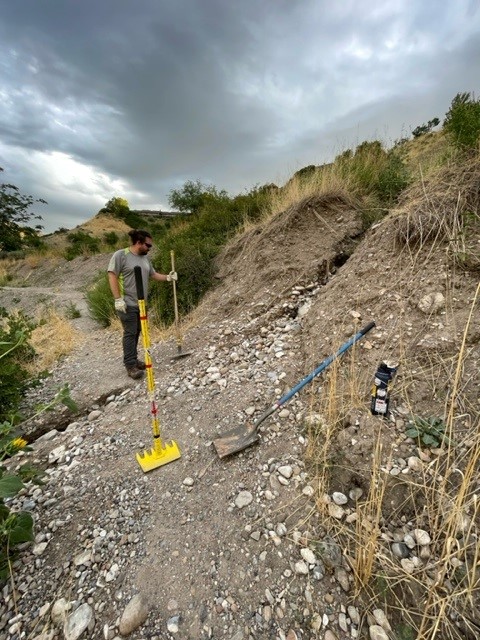
The Division of Trails and Natural Lands has a dedicated trail crew in the Foothills Natural Area, which increases the team’s capacity to conduct proactive maintenance, including:
- Trail Maintenance
- Brush Clearing along formal trails to reduce wildlife risks
- Native planting projects to promote biodiversity and reduce fire-prone invasive species like cheatgrass
Additional Fire Prevention Efforts and Adjacent Programs:
Since 2019, the Public Lands Native Plant Program has been propagating native plants found throughout the Salt Lake Valley. Harvesting wild native seeds and then propagating and planting native plants on Salt Lake City’s public lands ensures native plant species will not be lost. This program increases biodiversity for pollinators and wildlife, and can help reduce wildfire risk in SLC natural areas.
This program includes:
- Invasive Weed Removal
- Trail Maintenance
- Community Engagement and Collaboration
- Trail Monitoring and Reporting
We can all be good stewards of our public spaces! For more tips on how to Be W.I.L.D. – Welcoming, Inclusive, Limit Your Impact, and Do What You Can – visit slcbewild.com.