Project Overview
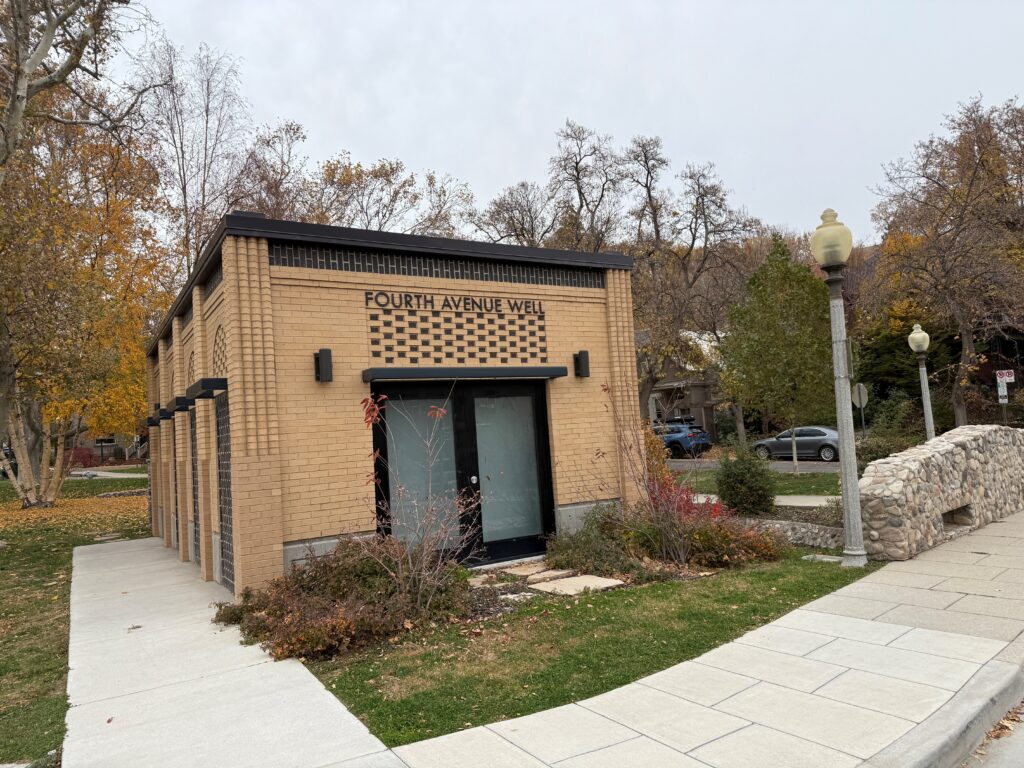
Salt Lake City Department of Public Utilities (SLCDPU) provides drinking water to more than 365,000 residents. The 4th Avenue Well, located near 4th Avenue and Canyon Road, is one of the City’s largest groundwater sources.
In 2023, PFAS compounds were detected in the 4th Avenue Well, and the well was taken offline out of caution. SLCDPU is conducting a multi-phase project to evaluate treatment and restoration options.
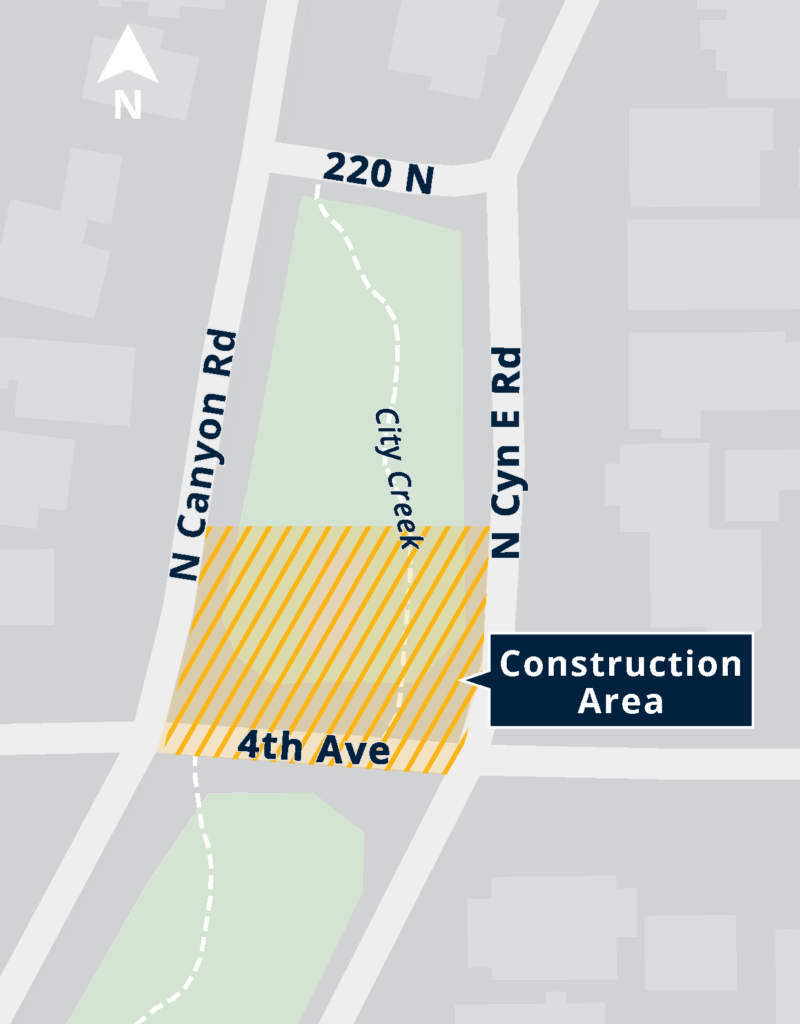
Construction Impacts
- Typical construction impacts such as noise, dust, and vibration during working hours
- Temporary traffic restrictions and closures along 4th Avenue
- Clearly marked detours and traffic control
Current Construction Activities (May 2026):
- Reinstallation of the well pump that was removed during earlier testing
- Cleaning of the well using a “brush and bail” process to remove sediment buildup
- Restarting the well under normal operating conditions for additional water quality testing
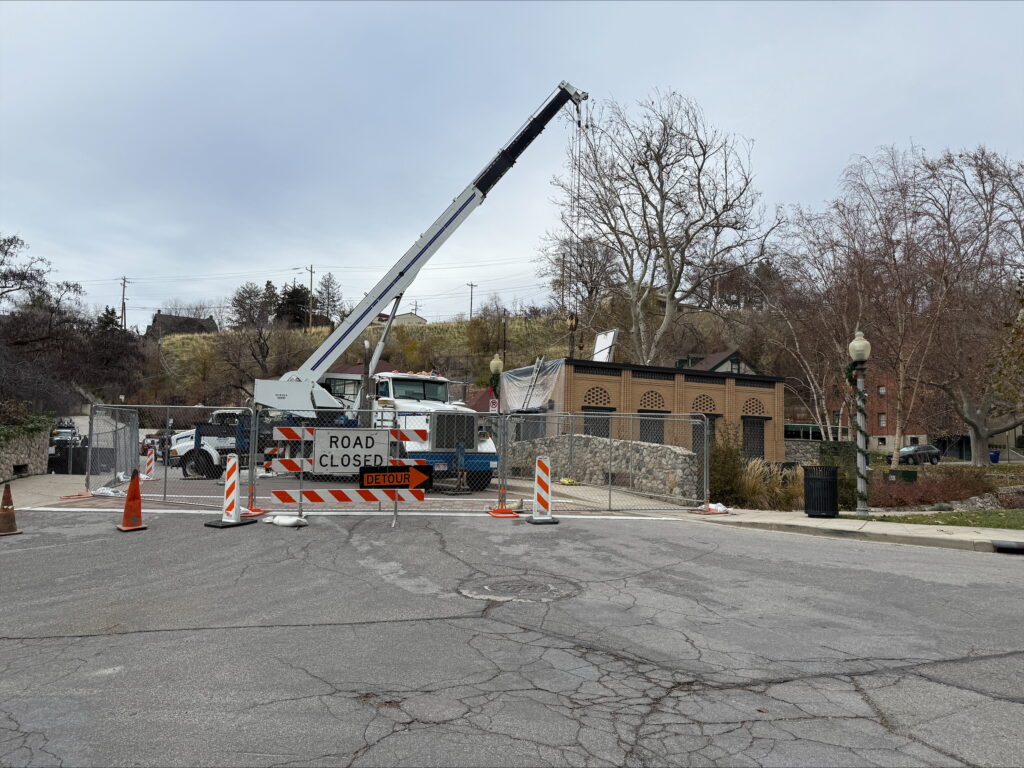
- Temporary traffic restrictions and closures near the south side of the well to allow equipment access
- Clearly marked traffic control to maintain safety for residents and visitors
Why is this work being done?
Initial testing completed in December 2025 did not produce conclusive results, likely because the well was not actively operating at the time.
This next phase of work will allow the City to:
- Evaluate PFAS levels while the well is running under normal conditions
- Collect more accurate and representative water quality data
- Better understand how the well may be safely used in the future
The results will help guide decisions about the long-term future of the 4th Avenue Well.
Recent Construction Activities (Winter 2025):
- The team conducted flow and velocity measurements to create a profile that will inform water quality sampling.
- Teams used this profile to create a mass balance of the well.
Why is this work happening now?
This work is investigative. A specialized team will take water samples from different depths in the well to understand:
- How PFAS is moving in the aquifer
- Working to identify the source of PFAS
- Whether only certain layers are affected
- Whether the well could be modified to avoid PFAS, or if a new well may be needed
Restoring high-quality and reliable water supply takes careful planning.
This phase helps the City determine:
- Whether the well can be restored without PFAS
- Whether treatment is needed
- Or whether a new well location should be developed
Doing this work now helps protect long-term water supply reliability.
What is the 4th Avenue Well and why is it important? The 4th Avenue Well is one of Salt Lake City’s key groundwater sources. It usually operates during the summer to help meet higher water demand and maintain reliable water pressure in the downtown and Capitol Hill areas. When active, it can supply up to 6 million gallons of drinking water per day. What are PFAS and why is this well offline? PFAS (short for per- and polyfluoroalkyl substances) are a group of man-made chemicals used in products like firefighting foam, stain-resistant fabrics, and nonstick coatings. These chemicals are widespread in the environment and are being detected in many water sources nationwide. During routine federal testing in 2023, PFAS were detected in the water from the 4th Avenue Well at levels above new EPA drinking water standards. As a result, SLCDPU took the well offline. Is my drinking water safe? Yes. Salt Lake City continues to meet all state and federal drinking water standards. The 4th Avenue Well is not currently in use. What work is happening now? The current work is investigative. A specialized team will take water samples from different depths in the well to understand: The results will help the City choose the best long-term solution. Will there be construction impacts? Yes — temporarily. This work does not involve major excavation or new above-ground structures. How long will this phase last? Approximately five weeks, scheduled for late fall/early winter 2025. Why is the City doing this now? Restoring high-quality and reliable water supply takes careful planning. Doing this work now helps protect long-term water supply reliability. How is this different from the 2019 well upgrade project? We recognize there was strong public concern during the 2019 project. 2019 Project Current PFAS Work We are committed to being proactive, transparent, and respectful in how we communicate throughout this effort. How can I get project updates or ask questions? Project Email: [email protected] Project updates will also be shared: How will the City use community feedback? Because this phase is investigative, public input does not determine whether the sampling work occurs, but feedback can and will help shape:
This means no PFAS-impacted water is being delivered to customers.
During the roughly five-week field work period, neighbors may see:
The City will share exact dates before work begins.
This phase helps the City determine:
This current work is different in key ways:
Project Hotline: 801-616-3336
Related
Contact
- Call 801-616-3336
- Email [email protected]
To sign up for regular email updates about this project, send an email to [email protected] with “Updates” in the subject line.
Timeline
Work began May 11 and is expected to continue through May 19.